
Rehabilitation of the Tartus Port to Talkalkh Rail Line
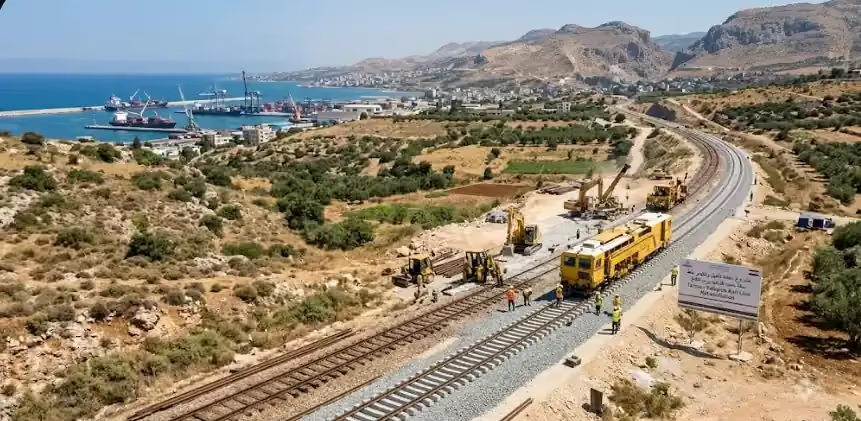
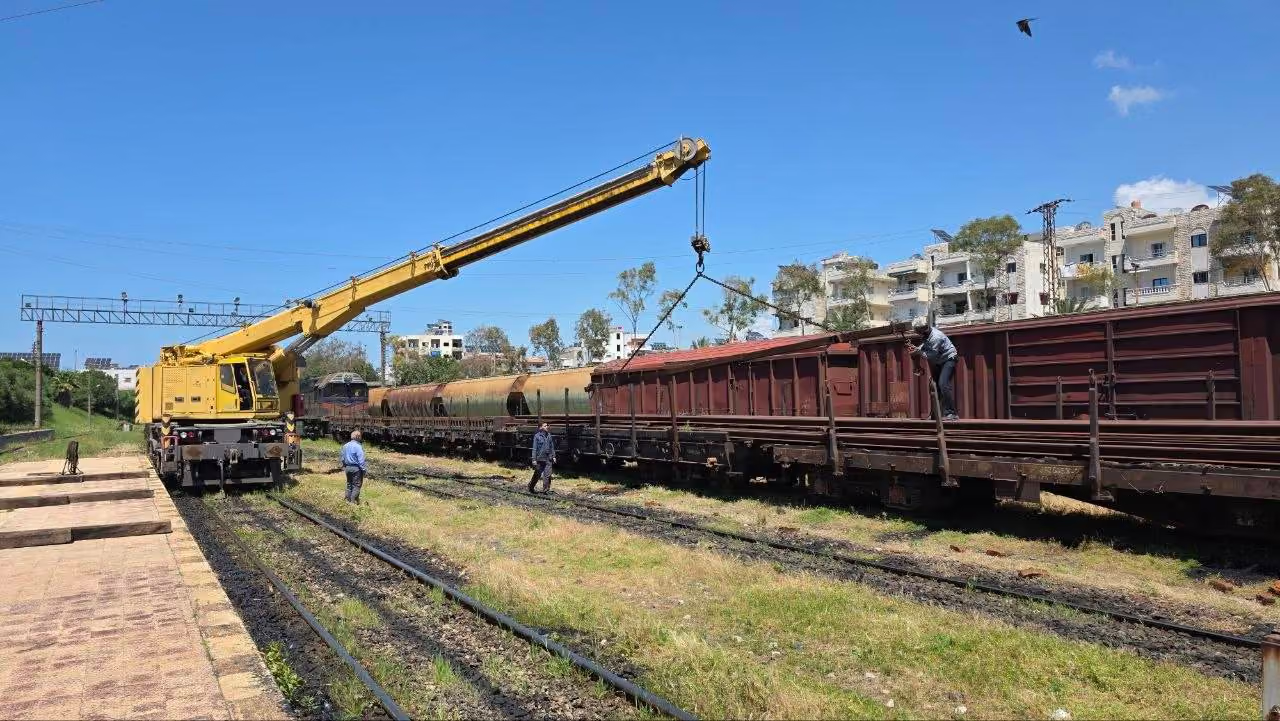
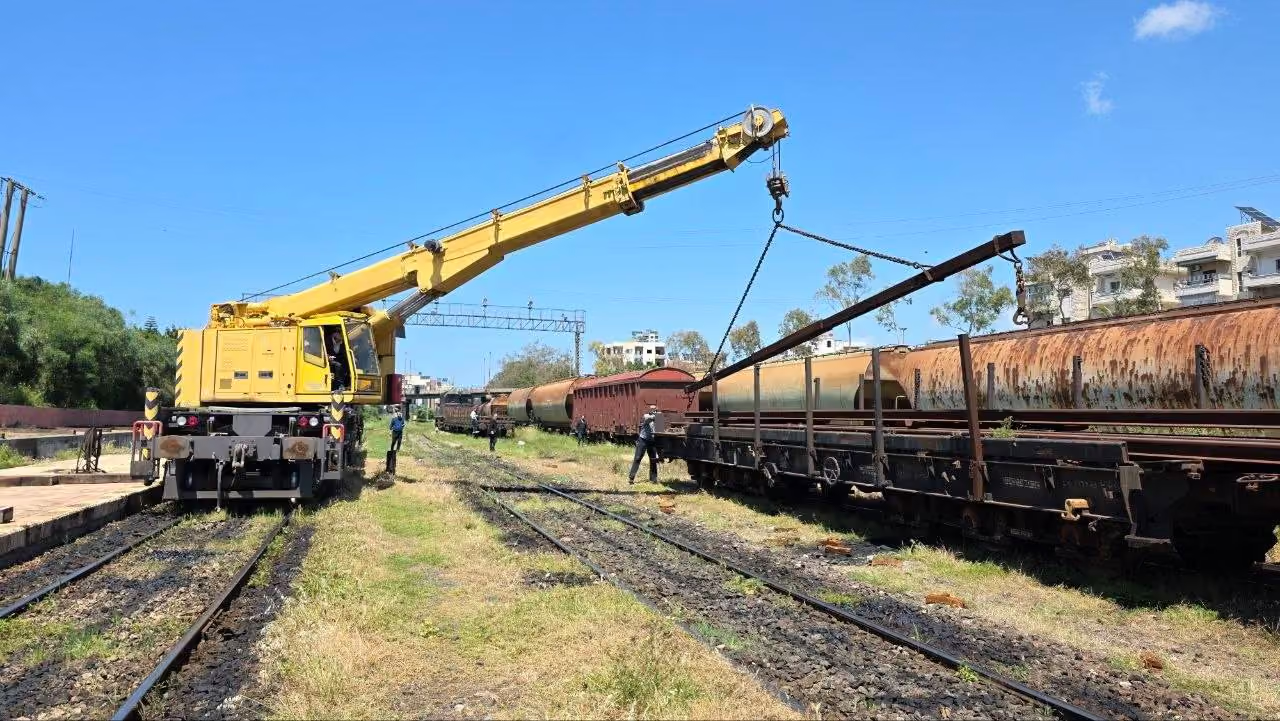
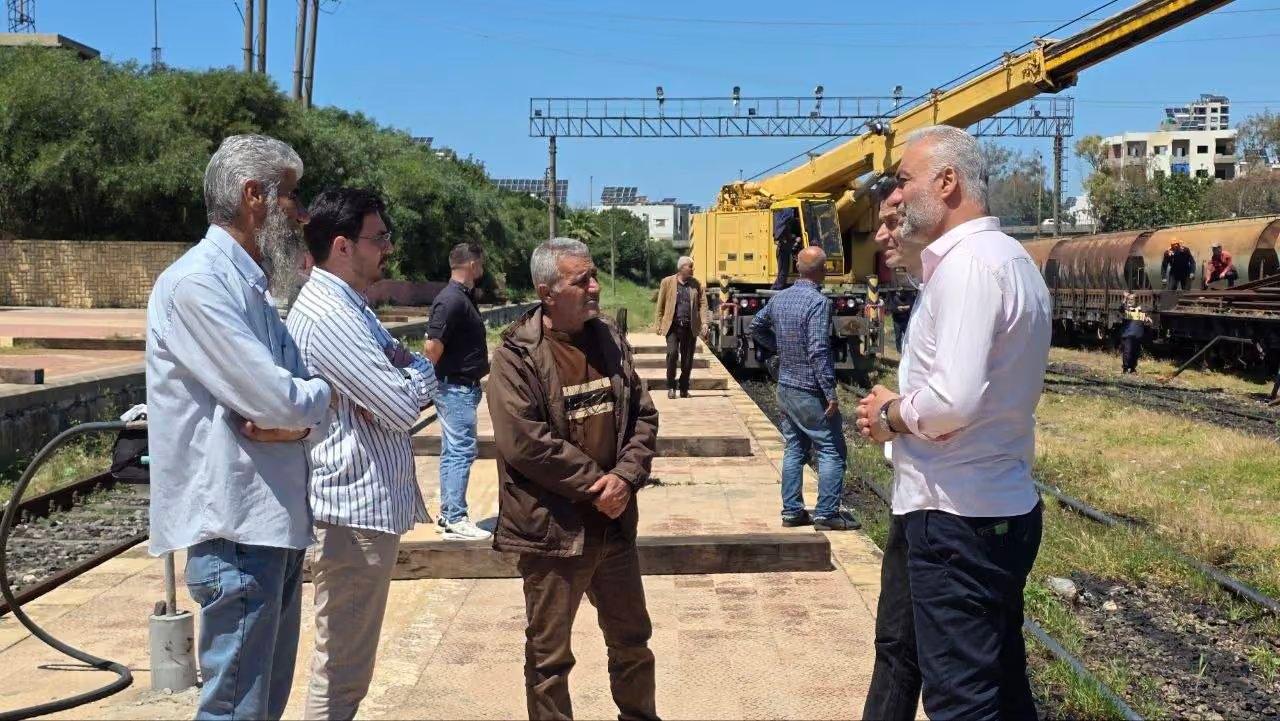




Rehabilitation of the Railway Line Between Tartous Port and Talkalakh Station
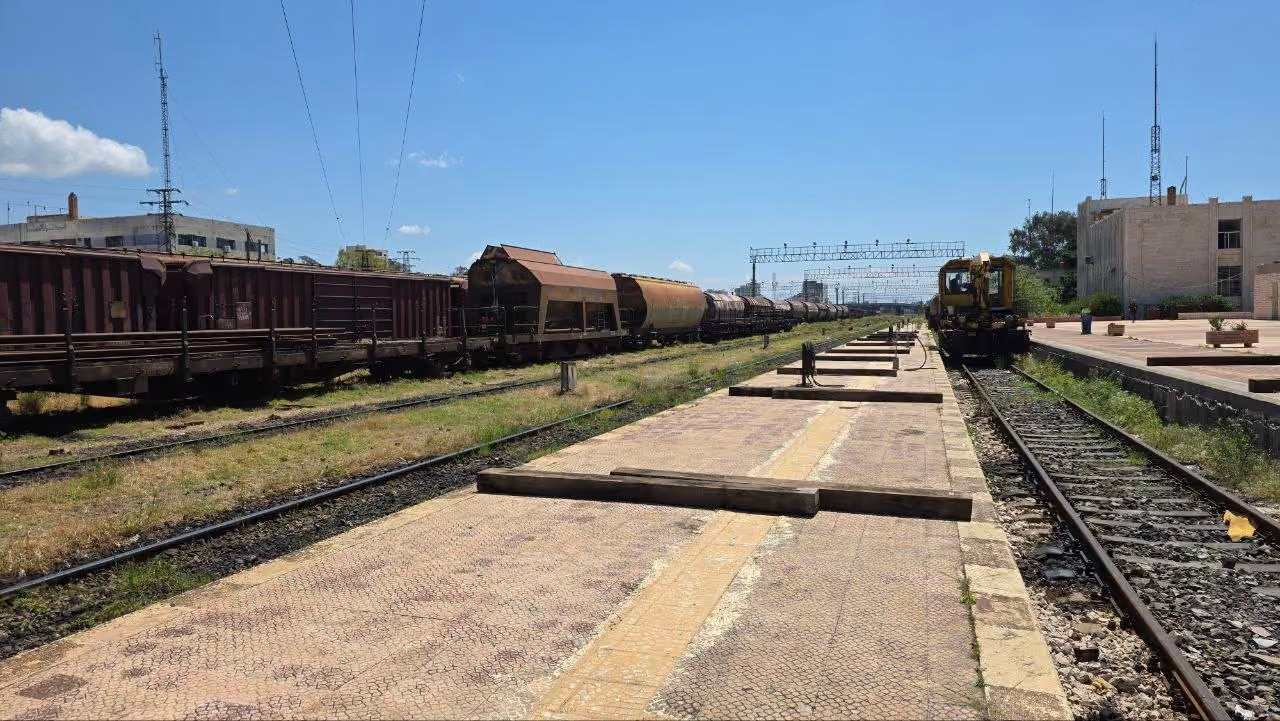
The works are being carried out by the Tartous Branch of the Syrian General Railway Establishment, and were announced by the Tartous Governorate in an official statement. The line extends from Tartous Port, passing through Tartous and Al-Akari stations, and continuing to Talkalakh Station. According to statements by Engineer Nidal Abdel Qader, Deputy Director of the Tartous Branch of the Railway Establishment, to SANA, the works include replacing deteriorated rails and sleepers and maintaining switches at the stations. Tartous Port receives vessels, particularly those carrying wheat, after which their cargo is transported by rail to the governorates. There are also plans to transport phosphate from the eastern mines toward the port via the Homs–Talkalakh line. Once rehabilitation is completed, the line will be able to transport petroleum products, grain, containers, phosphate, cement, aggregates, and other goods.
The works began in April 2026, with an estimated implementation period of three months according to the announcement made at the start. The first phase of maintenance and rehabilitation, on the section extending from Tartous Port through Tartous and Al-Akari stations, was completed in May 2026. The second phase then began, and the works are currently being carried out as part of the final phase of rehabilitation. The published official statements did not include the cost of the project or identify any external implementing entity. These works coincide with maintenance on the Tartous–Baniyas corridor and the lines extending from Baniyas Station toward the Baniyas Refinery. In the context of grain transportation, the Syrian General Railway Establishment announced on April 11, 2026, the start of transporting approximately 40,000 tons of wheat loaded on the vessel Inisia from Tartous Port by rail to the Shinshar silos in Homs and the Al-Nasiriyah silos in Damascus.
Frequently Asked Questions
What railway line is being rehabilitated?
The railway line connecting Tartous Port with Talkalakh Station in the western countryside of Homs, passing through Tartous and Al-Akari stations.
Which entity is carrying out the works?
The Tartous Branch of the Syrian General Railway Establishment.
What do the rehabilitation works include?
Replacing deteriorated rails and sleepers and maintaining switches at the stations.
What goods can the railway line transport?
The port receives vessels carrying wheat, and there are plans to transport phosphate via the line. After completion of the rehabilitation, petroleum products, grain, containers, phosphate, cement, aggregates, and other goods can be transported.
What is the current status of the project?
The works are in the final phase, and approximately 80 percent of the planned work has been completed, with completion expected by the end of September 2026.
Update — 2026-05-22
According to the Syrian Arab News Agency (SANA) on 22 May 2026, the Tartus branch of the Syrian General Railway Corporation completed the first phase of maintenance and rehabilitation on the line linking Tartus port to Talkalkh station via Tartus and Akkari stations, and began the second phase. SANA quoted the branch's deputy director, Nidal Abdulqader, as saying the works help raise transport efficiency, increase operating speeds and improve safety levels. No completion date was announced for the second phase.
At network level rather than on this line specifically, Arab News reported on 14 August 2026, citing Syrian railway data, that rail freight rose by nearly 59 percent in the first seven months of 2026 to 663,479 tonnes through July, against 417,859 tonnes in the same period of 2025, and that fuel-oil trains resumed running at 60 km/h while phosphate and grain trains run at 80 km/h following repairs.
Update — 2026-09-11
SANA reported, quoting the Deputy Director of the Railway Establishment's Tartous Branch, that the ongoing works in the final phase include maintenance of the upper section of the line, replacement of deteriorated rails and sleepers, and maintenance of switches at the stations. The completed work so far amounts to approximately 80 percent of the planned work, with the final phase expected to be completed by the end of September 2026. He added that completion of the rehabilitation will enable an increase in operating speed and an increase in the volume of cargo transported per trip.
Gallery :