


Rehabilitation of Al-Rastan Strategic Bridge








Project Overview
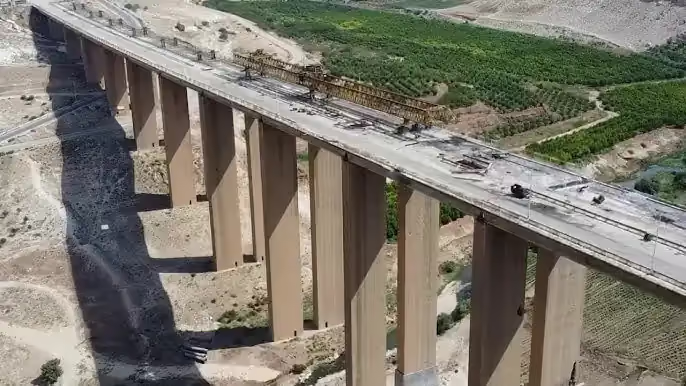
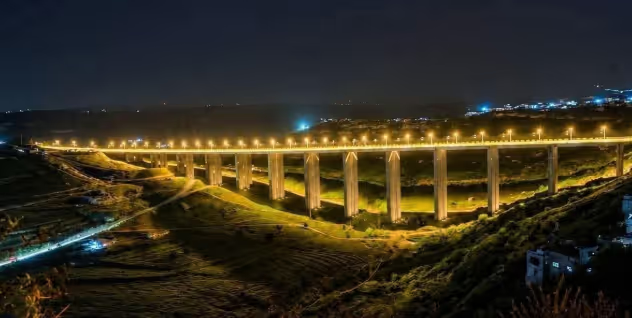
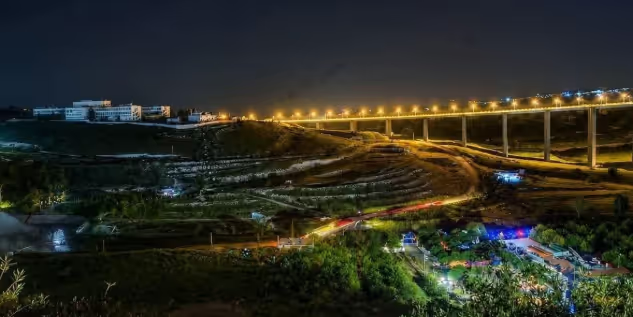
The rehabilitation of Al-Rastan Bridge in the northern countryside of Homs Governorate is complete, and the bridge reopened to traffic on 4 June 2026. The bridge carries the M5 international highway, which links Damascus, Homs, Hama and Aleppo, across the Orontes River, and it is one of the main road links between Syria's northern and southern governorates. According to SANA, the works were implemented by the Syrian Civil Defense in partnership with the United Nations Development Programme (UNDP), with funding from the Syria Humanitarian Fund (SHF) and in coordination with the Ministry of Public Works and Housing.
Damage and Traffic Diversion
The bridge was severely damaged on 5 December 2024 and went out of service, cutting traffic between the governorates on this route. Engineer Safwan Ibrahim Bakaya, the project manager, told Al-Watan that the damage reached the foundations, piers, girders and deck slabs. The Syrian Civil Defense said four spans on the eastern carriageway and three on the western carriageway were damaged, together with eight piers.
While the bridge was closed, trucks were diverted through the Salamiyah road, and cars and buses through the Rastan Dam road. Bakaya said in July 2025 that completing the project would ease the heavy financial burden of these diversions and shorten travel times between the north and south of the country.
Rehabilitation Timeline
The Ministry of Public Works and Housing launched the rehabilitation project in early 2025 after assessing the damage, according to SANA. Enab Baladi reported that on 22 March 2025 the ministry announced the start of the works, with a cost it then estimated at USD 2 million and a duration of about six months, to be carried out by the General Company for Roads and Bridges. Work on site began on 21 May 2025, according to Bakaya, who was then supervising the structural works. Later sources, including SANA, name the Syrian Civil Defense, in partnership with UNDP, as the implementer of the project. When the bridge reopened, the Civil Defense did not disclose the cost of the works, Dglah noted.
In July 2025, Ali Mohammad, director of the community resilience programme at the Syrian Civil Defense, said the project was scheduled to finish in early 2026, and that the work plan also covered rehabilitating temporary diversion roads and removing the damaged sections.
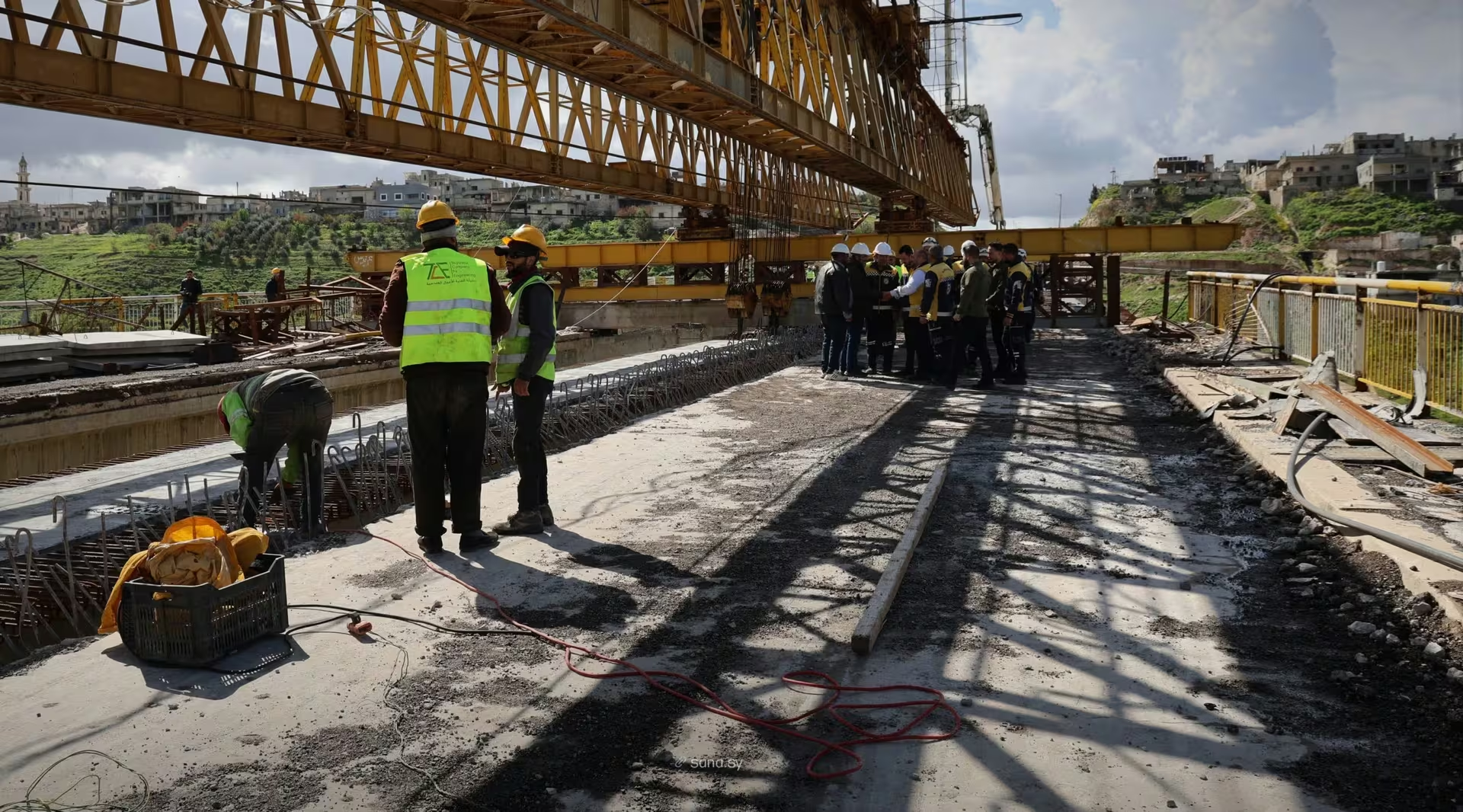
Aksalser reported on 27 September 2025 that the damaged end girder of span 11, which was at risk of sudden collapse, had recently been brought down by free fall as an exceptional measure because of a fault in the launching crane, which was then under maintenance. Bakaya later said, in remarks carried by the Qamishly website and credited to Al-Hurriya newspaper, that the old crane needed constant maintenance and that its breakdown halted the work for two months, and that maintenance of the bearings, electricity poles and railings was added during the project, outside the original plan, which required extra time.
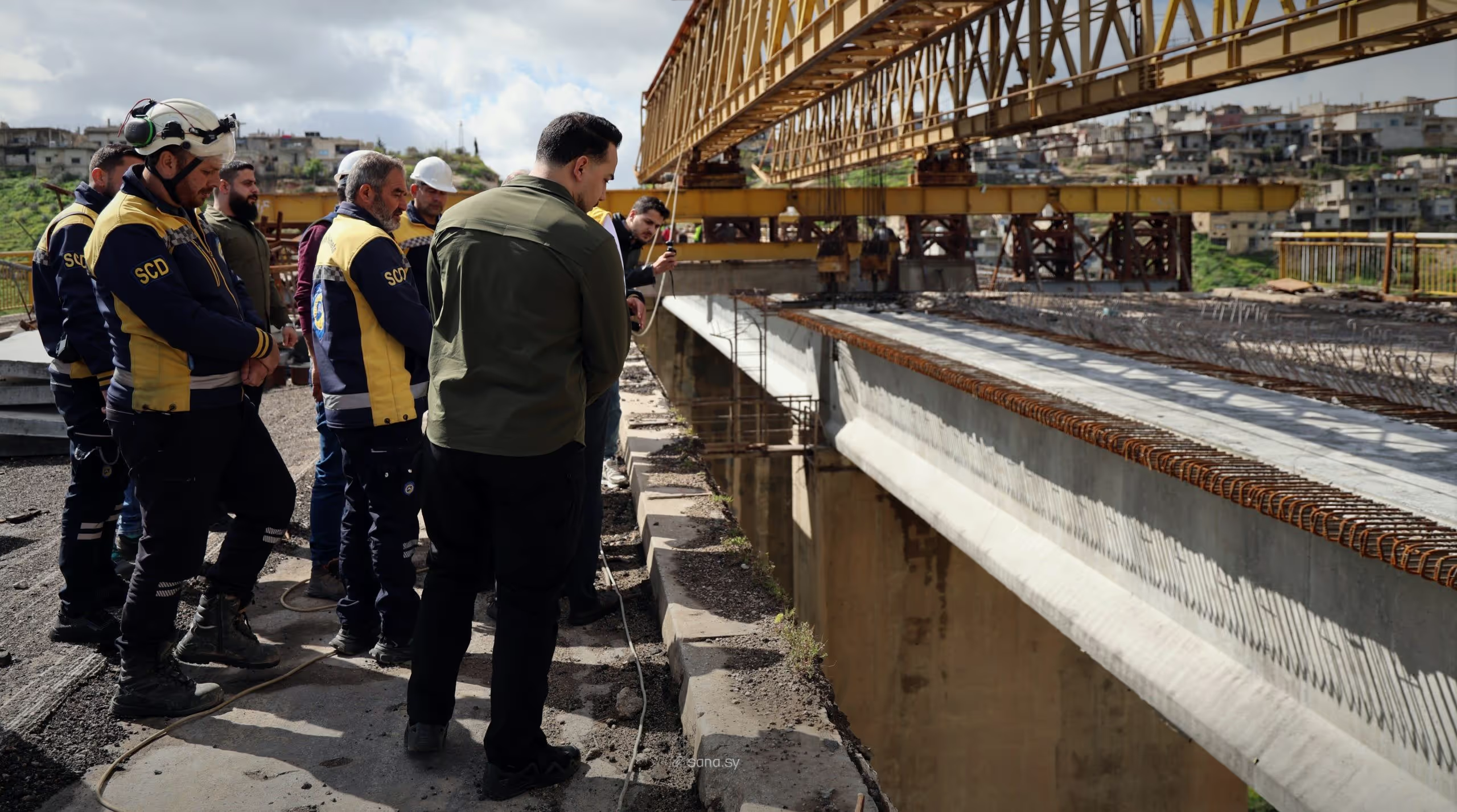
On 19 January 2026, Minister of Transport Yarab Badr inspected the works with Muaz Najjar, Director of the General Establishment for Road Communications, the Logistics Window website reported. According to the site, the works at that stage included strengthening the piers and foundations, repairing the expansion joints and rehabilitating the sidewalks and metal side elements. Najjar said 11 of the 14 damaged girders had been manufactured and installed and the rest were in progress, and Badr called the project "a school in road engineering". The final stages, the opening and the later status of the bridge are set out in the dated updates.
Scope of the Works
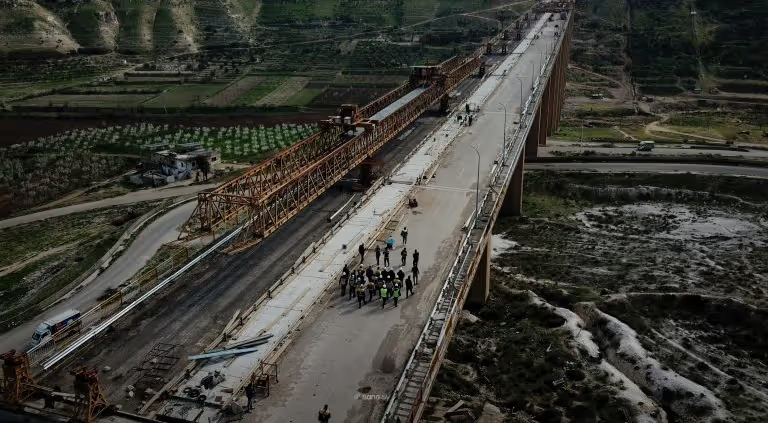
According to Bakaya and the Syrian Civil Defense, the works replaced the 14 damaged girders with new precast, prestressed girders, which Bakaya said are 42 metres long; cast reinforced concrete to tie the girders together; strengthened eight piers; and fully maintained 168 bearings. They also covered the bridge lighting, asphalt paving, traffic signs and rainwater drainage. The Civil Defense describes the bridge as about 600 metres long, with 14 spans.
Implementing and Funding Partners
SANA reports that the project was implemented by the Syrian Civil Defense in partnership with UNDP, with funding from the SHF and in coordination with the Ministry of Public Works and Housing. Civil Defense statements carried by other outlets also refer to coordination with the Ministry of Transport, whose minister followed the works on site. SANA also quotes Engineer Abdul Karim Qaisoun, project manager at an engineering works company involved in the project.
Why the Bridge Matters
The Syrian Civil Defense describes the bridge as a vital hub of the Syrian road network, crossed every day by hundreds of goods trucks and passengers, and serving densely populated areas with high economic activity in Homs and Hama governorates. According to SANA, its return to service eases traffic, shortens journey times and reduces accidents on this central link between the south and north of the country.
Frequently Asked Questions
Where is Al-Rastan Bridge?
In the northern countryside of Homs Governorate, on the M5 international highway between Homs and Hama, where it crosses the Orontes River.
What is the current status of the project?
The project is complete. President Ahmed al-Sharaa opened the bridge on 4 June 2026, and it is back in service. After a traffic accident on 27 August 2026, the Homs branch of the General Establishment for Road Communications said the bridge was structurally sound.
When did the rehabilitation begin?
Work on site began on 21 May 2025. The Ministry of Public Works and Housing had launched the project in early 2025 and announced the start of the works on 22 March 2025.
What did the works include?
Replacing the 14 damaged girders with new precast, prestressed girders, strengthening eight piers and maintaining 168 bearings, together with lighting, asphalt paving, traffic signs and rainwater drainage.
Who implemented and funded the project?
The Syrian Civil Defense implemented the project in partnership with UNDP, with funding from the Syria Humanitarian Fund (SHF) and in coordination with the Ministry of Public Works and Housing.
Update: 30.03.2026
Munir Mustafa, Assistant Minister of Emergency and Disaster Management and Director of the Syrian Civil Defense, told SANA on 30 March 2026 that the project had entered its final stages after the work teams installed the last girder (No. 14) in span No. 9. He said this meant the giant crane used in the works was no longer needed; dismantling it would take 15 days, followed by the insulation phase, which includes casting concrete to protect the bridge from moisture, then asphalt paving and the final installation of lighting.
Mustafa put progress at about 85 percent, with the most complex phases finished. He said the remaining works could take about two months and that the bridge was expected to open to traffic between 15 May and the end of May. Engineer Abdul Karim Qaisoun, project manager at an engineering works company involved in the project, said the difficult structural works, especially removing and installing the girders, were done, and that work was focusing on casting the slabs and ties, painting, lighting and paving.
Source
Update: 23.05.2026
Al-Ikhbariah reported on 11 May 2026 that the Syrian Civil Defense said its engineering teams had started laying asphalt on the bridge after finishing the structural and insulation works, in parallel with completing the lighting poles and the technical maintenance of the piers and bearings. The same day, the project's technical director, Engineer Safwan Ibrahim Bakaya, told SANA that the eastern carriageway was being paved first and the western one would follow, then the final finishing works, with all works to be completed before 31 May. He told Al-Watan that the bridge was expected back in service by the end of the month.
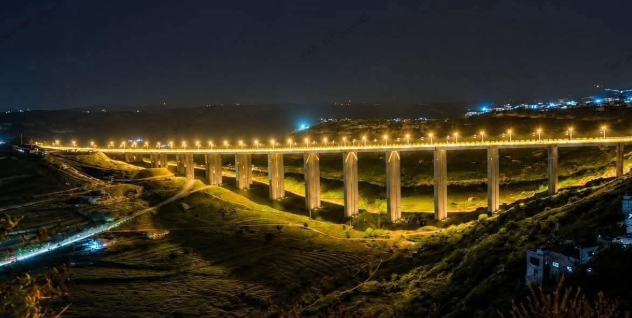
On Saturday, 23 May 2026, Homs Governor Marhaf al-Naasan and Minister of Transport Yarab Badr inspected the final stages of the works, according to Homs Governorate. The supervising engineering team said the bridge was technically ready to receive traffic, pending its opening, which was scheduled for early June.
Sources
Update: 04.06.2026
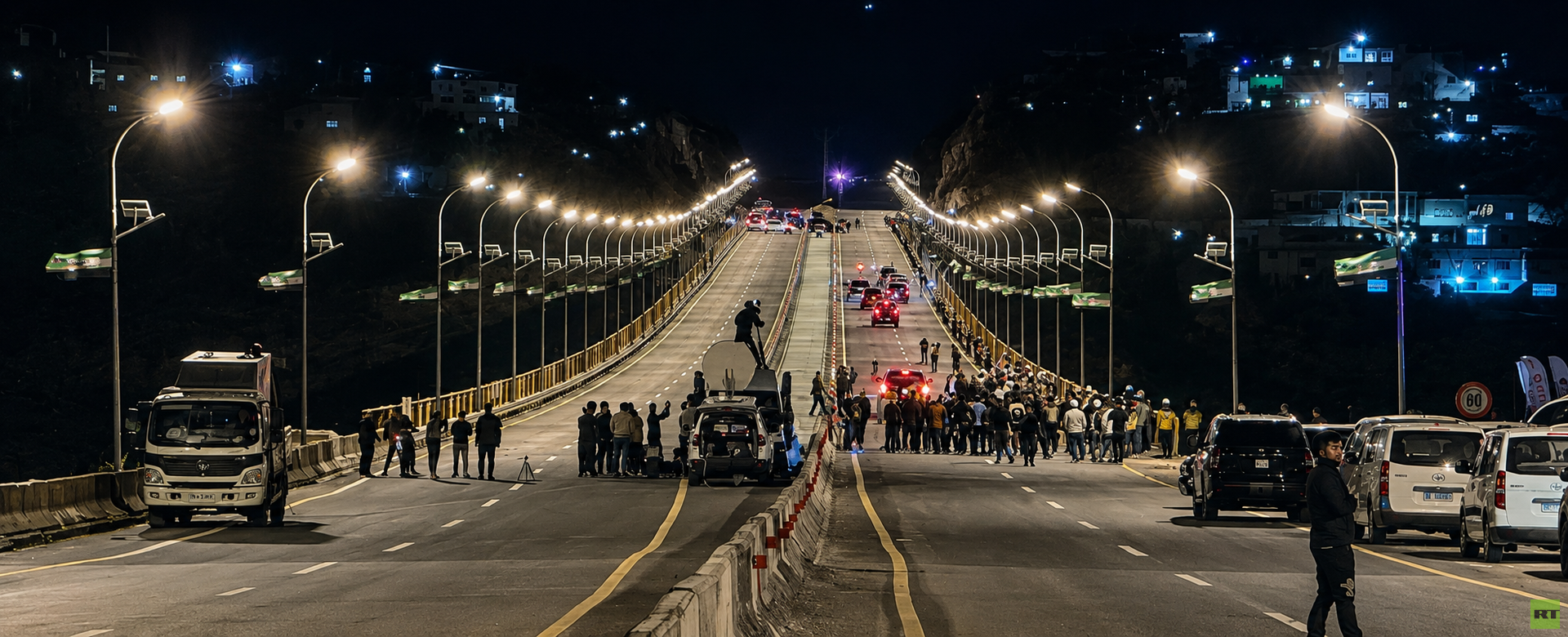
President Ahmed al-Sharaa officially opened Al-Rastan Bridge on Thursday, 4 June 2026, after the completion of its rehabilitation and upgrading, returning it to traffic, SANA reported. The opening was attended by the Secretary-General of the Presidency, Abdulrahman Badr al-Din al-Aama; Minister of Transport Yarab Badr; Minister of Emergency and Disaster Management Raed al-Saleh; Minister of Public Works and Housing Mustafa Abdulrazzaq; Homs Governor Marhaf al-Naasan; and Hama Governor Abdulrahman al-Sahyan.
In a post on X the same day, Minister al-Saleh said the bridge's rehabilitation showed that humanitarian work goes beyond saving lives to rebuilding infrastructure, and expressed pride in the White Helmets (Syrian Civil Defense), which he said had helped save more than 130,000 people. According to SANA, the reopening eases traffic, shortens journey times and reduces accidents on this central link between the south and north of Syria.
Sources
Update: 28.08.2026
After a traffic accident on the bridge on 27 August 2026, Engineer Safwan Ibrahim Bakaya, Director of the Homs branch of the General Establishment for Road Communications, told SANA that the bridge is structurally sound. He said the damage was limited to the metal guardrail and some decorative median slabs and did not reach the load-bearing girders or any other structural element, so it does not affect the bridge's safety or operation.
Source
Gallery :



- Ultra Syria (Arabic): rehabilitation of Al-Rastan Bridge, start date and diversions, 29 July 2025
- Enab Baladi (Arabic): Civil Defense sets the completion date for Al-Rastan Bridge, 30 July 2025
- Aksalser (Arabic): Civil Defense continues rehabilitating Al-Rastan Bridge, 27 September 2025
- Logistics Window (Arabic): Minister of Transport inspects the Al-Rastan Bridge works, 19 January 2026
- SANA (Arabic): Al-Rastan Bridge rehabilitation in its final stages, 30 March 2026
- Al-Ikhbariah (Arabic): Civil Defense starts laying asphalt on Al-Rastan Bridge, 11 May 2026
- SANA (Arabic): Al-Rastan Bridge rehabilitation enters its final stages ahead of opening, 11 May 2026
- Al-Watan (Arabic): strategic Al-Rastan Bridge to enter service soon, 11 May 2026
- Al-Ikhbariah (Arabic): Homs Governorate says Al-Rastan Bridge is ready to open in early June, 23 May 2026
- SANA (Arabic): President al-Sharaa opens Al-Rastan Bridge in Homs, 4 June 2026
- SANA (Arabic): Minister of Emergency on the Al-Rastan Bridge rehabilitation, 4 June 2026
- Dglah (Arabic): Al-Rastan Bridge opened after UN-supported rehabilitation, details from the Civil Defense, 6 June 2026
- Qamishly (Arabic), credited to Al-Hurriya: project manager reviews the Al-Rastan Bridge works, 11 June 2026
- SANA (Arabic): Al-Rastan Bridge structurally sound after a traffic accident, 28 August 2026