

Bab al-Hawa Industrial City Expansion
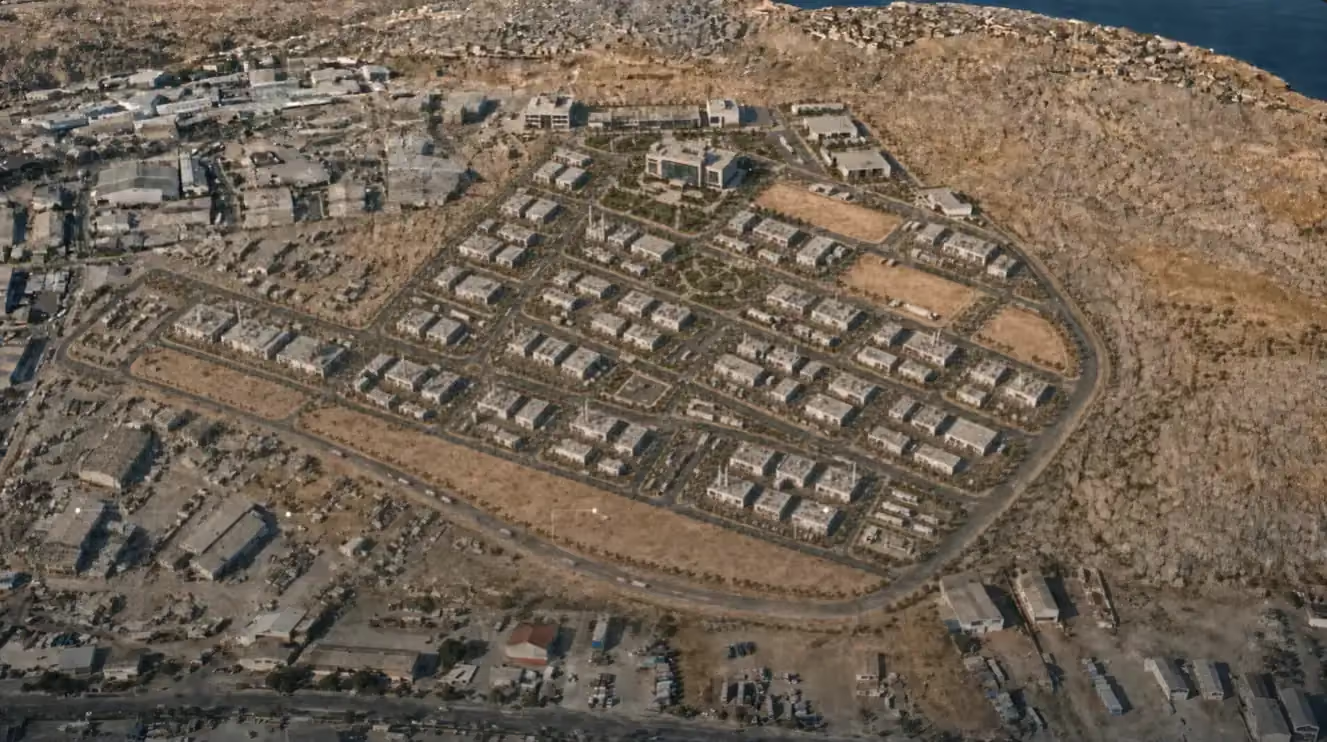
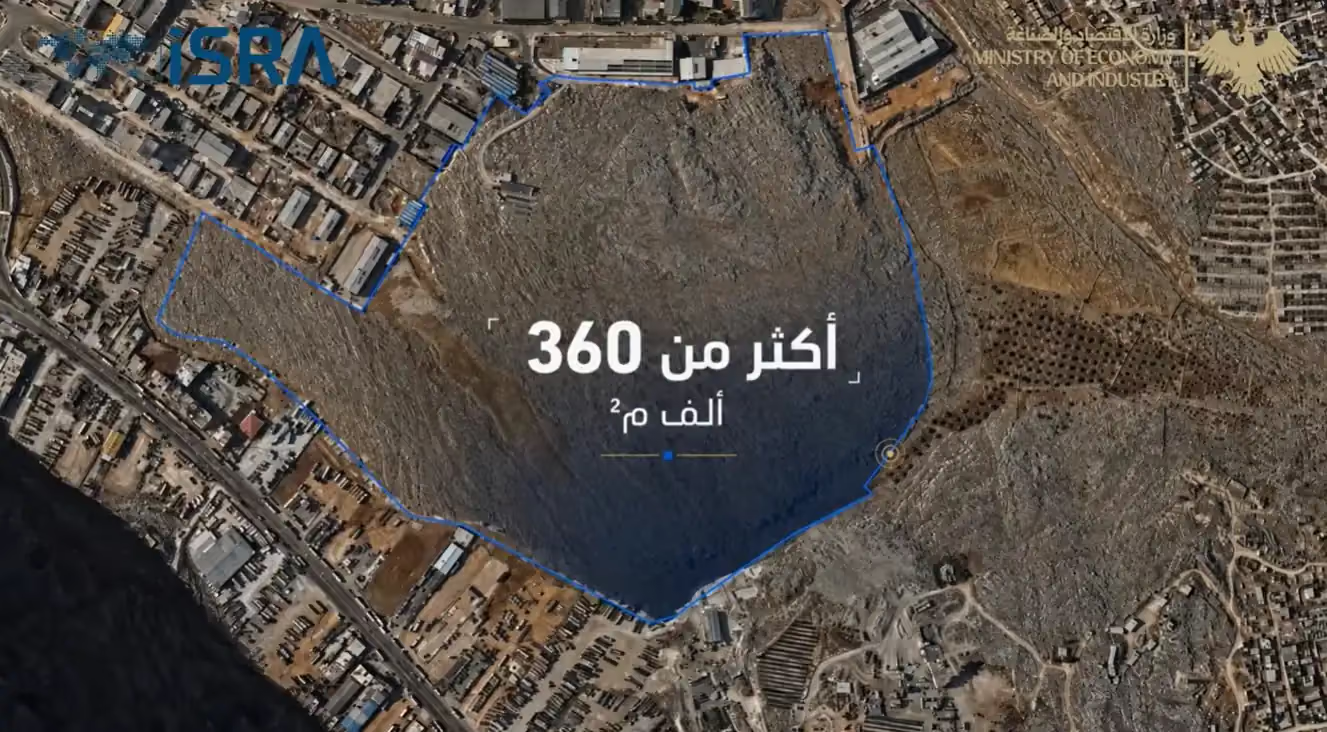


SANA reported on 19 May 2026 that the administration of Bab al-Hawa Industrial City in Idlib Governorate had begun expansion works by removing a rocky mass on the city's northwestern side. According to the same report, the mass covers about 55,000 square metres and lies within the food industries sector, where demand for plots has risen sharply. The 55,000 square metres refer to the rock-removal works only. The wider expansion project was then studied with the Turkish company İsra Holding (iSRA): preliminary studies reported by SANA on 25 May 2026 put its area at about 255,000 square metres, and the agreement signed on 27 August 2026 covers about 36 hectares (see the updates below).
Location and Background
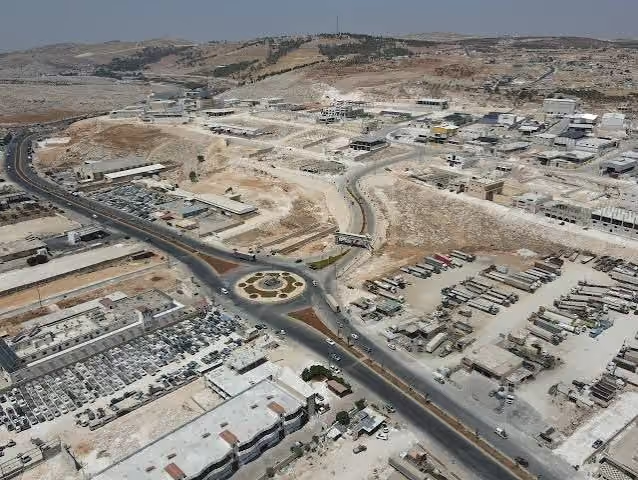
The industrial city lies in the Sarmada area of the northern Idlib countryside, about 5 kilometres from the Bab al-Hawa border crossing with Turkey, according to AAT World and Eqtsad (August 2026). A Focus Aleppo field report (6 May 2026) states that the city was officially opened on 15 September 2021, that its first phase covered about 51 hectares divided into more than 260 industrial plots, and that the city now occupies about 53 hectares. Nedaa Post reported in March 2023 a first phase of 50 hectares divided into 260 plots, with a further 50 hectares to be opened in a later phase.
Economic Significance of the Industrial City
The city's director, Fadi al-Khatib, told SANA (19 May 2026) that the city is a main economic artery for Idlib Governorate and the wider northern region because it provides jobs for the local workforce. He said the administration is working to improve services and the investment environment, and that the expansion is a new phase in the city's development plan that prepares the surrounding land for investment.
Nedaa Post (March 2023) described the city as divided into food, textile, engineering and chemical sectors, alongside service industries such as printing presses and nylon-bag factories. Focus Aleppo (May 2026) lists pharmaceutical, engineering, food, chemical and textile industries, as well as the manufacture and assembly of simple industrial machinery. In the same report, the city's media office director, Ahmad al-Qadi, put the number of facilities and factories at about 286, and said that over the past two years 85 facilities had entered actual production while 160 were under investment.
Employment Outlook
Nedaa Post reported in March 2023 that the city was expected to provide more than 15,000 direct jobs and about 50,000 indirect jobs. These are projections from that report, not current employment figures.
Scope of the Rock-Removal Works
The first works focus on removing and levelling the northwestern rocky mass within the food industries sector. Hamza Sharabi, an engineer in the city's technical office, told SANA that the works are carried out to technical standards intended to make the land ready for investment as soon as possible, and that completing this phase will add new plots of about 40,000 square metres, excluding roads, out of the mass's total area of about 55,000 square metres.
Technical Specifications of the Rocky Mass
According to Sharabi, the mass covers about 55,000 square metres, its full volume before removal is about 825,000 cubic metres, and it stands on average about 15 metres above the adjacent plots. He added that the removed rock can be used in building products, and that the works give the food industries section additional space needed by industrialists wishing to subscribe to food-sector plots.
Investment and Development Objectives
According to al-Khatib, the expansion mainly aims to strengthen local industry and make the city more attractive to factories and projects of every type, especially in food industries, where demand has risen markedly in recent months. SANA reported that the expansion is part of a plan to encourage industrial investment that offers investors integrated infrastructure and facilities at reasonable prices. The agency counts the city among the leading industrial centres in northern Idlib and reports growing investor interest in it, particularly in food and light industries.
Frequently Asked Questions
Where is Bab al-Hawa Industrial City located? In the Sarmada area of the northern Idlib countryside, about 5 kilometres from the Bab al-Hawa border crossing with Turkey.
What did the expansion works begin with? With removing a rocky mass of about 55,000 square metres on the city's northwestern side, within the food industries sector, as SANA reported in May 2026.
How large is the wider expansion? According to SANA (25 May 2026), preliminary studies indicated about 255,000 square metres. The agreement signed in August 2026 covers about 36 hectares, including more than 242,000 square metres of serviced industrial plots, according to the Director of Industrial Cities, Ahmad Kurdi.
Who is carrying out the expansion? On 27 August 2026 the city administration signed an agreement with the Turkish company iSRA (İsra Holding) to develop and expand the city. According to Kurdi, the Ministry of Economy and Industry is working to provide infrastructure services in the first phase of the expansion.
How long will the works under the agreement take? Kurdi said the implementation period is one year, with work to begin directly after the 63rd Damascus International Fair.
How much usable land will the rock removal add? About 40,000 square metres of new plots, excluding roads.
What are the technical dimensions of the rocky mass? About 55,000 square metres in area, about 825,000 cubic metres in volume before removal, and an average height of about 15 metres above the adjacent plots.
What industrial sectors operate in the city? Reported sectors include food, textile, engineering, chemical and pharmaceutical industries, alongside service industries and the assembly of simple industrial machinery.
How many jobs is the city expected to create? Nedaa Post reported in 2023 that the city was expected to provide more than 15,000 direct jobs and about 50,000 indirect jobs. These are projections, not current employment figures.
Can the removed rock be reused? Yes. The city's technical office said the removed rock can be used in building products.
Update — 2026-08-20
The expansion moved from rock removal to a wider project studied with a Turkish company. On 25 May 2026, SANA reported, citing the Ministry of Economy and Industry, that Deputy Minister of Economy and Industry Basel Abdul Hannan met at Bab al-Hawa Industrial City with representatives of the Turkish company İsra and the city administration to review the final stages of the expansion study. The meeting covered engineering plans, implementation mechanisms and infrastructure, including roads, retaining walls, and electricity, water and sewage networks, as well as power capacity, the number of water wells needed, rainwater harvesting and waste management. The parties agreed to group the administrative plots into a single planning block, and preliminary studies indicated that the expansion area could reach about 255,000 square metres. On 22 June 2026, according to SANA, the deputy minister met a delegation from the company in Damascus to discuss cooperation and the mechanism for implementing projects to develop and rehabilitate the city.
According to SANA, Turkish Deputy Minister of Industry Oruç Baba İnan and his delegation visited the city with Abdul Hannan on 19 August 2026, at the end of a tour of industrial cities in northern Syria, to discuss industrial cooperation and investment. A factory owner in the city told SANA that more than one hundred factories had been built there, all of them operating, and welcomed ideas to expand the city eastward and northward in response to demand from industrialists. Abdul Hannan said a joint workshop was planned in the Turkish city of Gaziantep the following month to discuss Syrian-Turkish integration.
Update — 2026-08-31
On 27 August 2026, the administration of Bab al-Hawa Industrial City signed an agreement with the Turkish company iSRA (İsra Holding) to develop and expand the city. According to SANA, the signing took place at the Ministry of Economy and Industry's pavilion during the 63rd Damascus International Fair and was attended by Turkish Trade Minister Ömer Bolat and Deputy Minister of Economy and Industry Basel Abdul Hannan. SANA said the agreement aims to offer about 2,000 industrial investment opportunities and to establish a cross-border Syrian-Turkish partnership.
Ahmad Kurdi, Director of Industrial Cities at the ministry, told SANA that the implementation period is one year, with work to begin directly after the fair, and that the studies needed to develop the city are ready. They cover electricity, water, sewage, industrial drainage and treatment plants, which the ministry is working to provide in the first phase of the expansion. Kurdi described the company as one of the largest Turkish firms specialising in developing industrial cities. On 28 August, according to Al Jazeera citing SANA, he said the investment contract in Bab al-Hawa covers an industrial real-estate project of 36 hectares, including more than 242,000 square metres of serviced industrial plots.
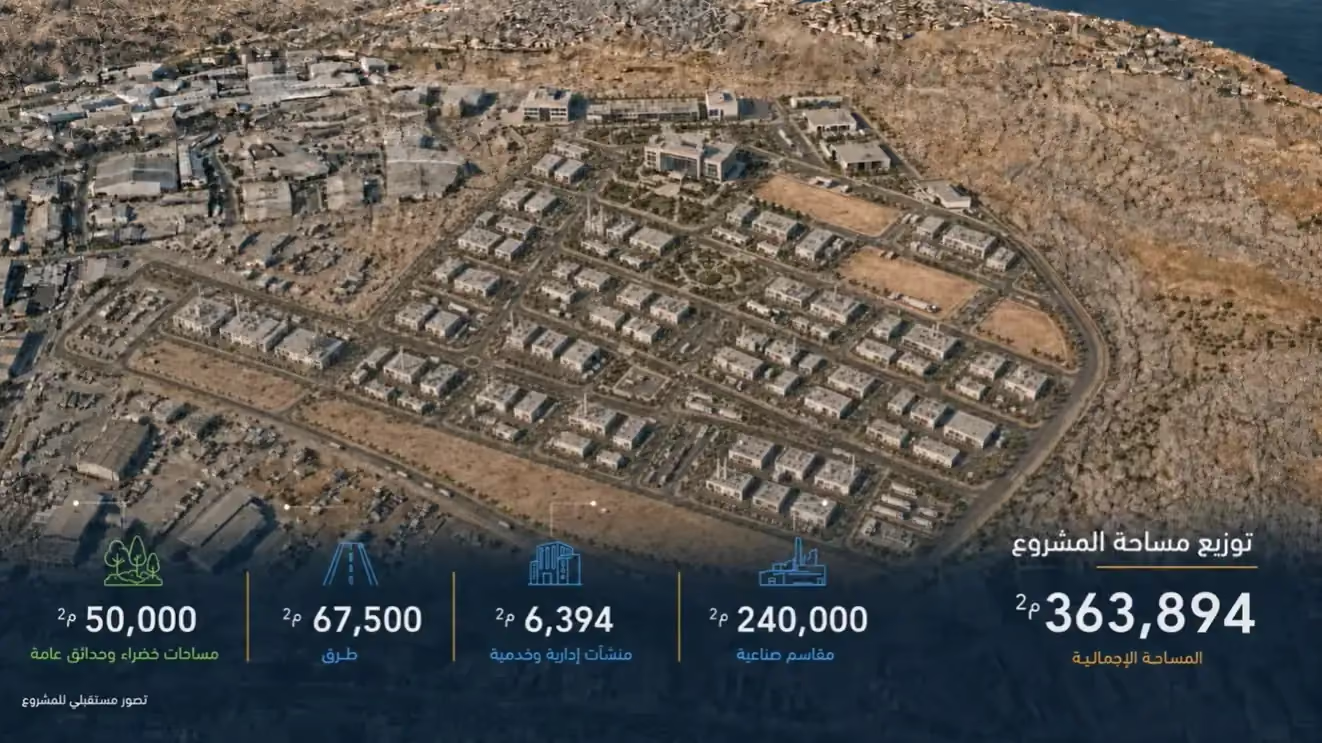
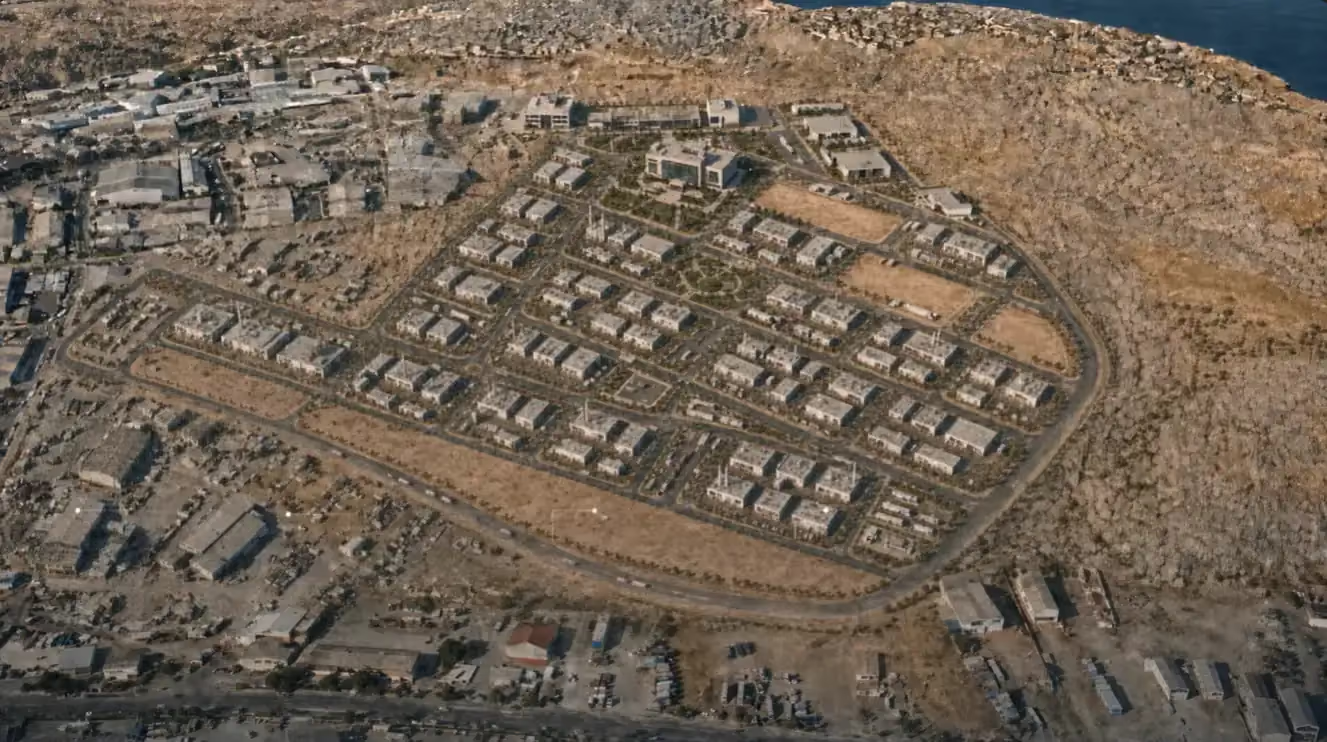
Türkiye Gazetesi, as cited by Syria TV on 31 August 2026, said the project aims to raise industrial capacity in the Bab al-Hawa area, which the newspaper described as a major trade and logistics hub on the Syrian-Turkish border. It gave a total project area of 364,000 square metres, of which about 240,000 square metres are plots for sale to industrial activities, together with a 6,394 square metre administrative and service facility, about 67,500 square metres of transport infrastructure and 50,000 square metres of green space and landscaping. It listed electricity, drinking water, general-use water, telecommunications and sewage networks, together with industrial wastewater treatment, stormwater drainage and fire-fighting systems.
Gallery :
Nedaa Post: first industrial zone in northern Idlib and employment projections, 29 March 2023
Focus Aleppo: Bab al-Hawa Industrial City field report, 6 May 2026
SANA: Bab al-Hawa Industrial City expansion begins with rock removal, 19 May 2026
SANA: major expansion of Bab al-Hawa Industrial City (video report), 19 May 2026
SANA: Ministry of Economy and Industry discusses the expansion project, 25 May 2026
Hashtag Syria: expansion of Bab al-Hawa Industrial City with a Turkish partner, 26 May 2026
SANA: deputy minister meets İsra delegation in Damascus, 22 June 2026
SANA: Syrian-Turkish talks at Bab al-Hawa Industrial City, 20 August 2026
Al-Ikhbariah Syria: expansion agreement for Bab al-Hawa Industrial City, 27 August 2026
Eqtsad: agreement with a Turkish company to develop and expand the city, 27 August 2026
Syrian Pound Today: Syrian-Turkish agreement to develop and expand the city, 27 August 2026
Al Jazeera: plans to expand Syria's industrial cities, 28 August 2026
Sookeh News: Syrian-Turkish agreement to expand the city, 28 August 2026
Syria TV: Syrian-Turkish partnership to develop Bab al-Hawa Industrial City, 31 August 2026
AAT World: agreement with a Turkish company to develop and expand the city, 31 August 2026