
.avif)
Find & Read
No items found.
.svg)
Bio
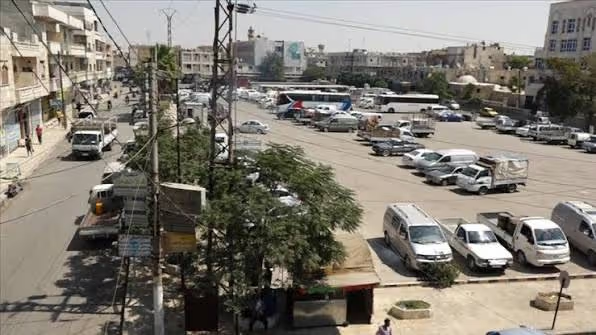
Manbij lies in the eastern part of Aleppo Governorate, in the belt of country between the city of Aleppo and the Euphrates. It is a long-established market town serving a wide agricultural hinterland of surrounding villages, and its position on the routes that link the two banks of the river has made it a trading and service centre for the whole district. The plain around it is farming land — grain, olives and livestock — and the town's markets, mills and grain stores are the point where that produce meets the wider economy.
Manbij also carries a deep heritage layer. It stands on the site of ancient Hierapolis, and its historic fabric includes the Al-Antabi tomb, a Syriac church and an Ottoman bathhouse — the three sites addressed by a heritage documentation and protection programme completed in 2023. Nearby, the Tishreen Dam on the Euphrates ties the town into the regional water and electricity network, so the condition of that infrastructure shapes daily life across Manbij and its villages.
Damages
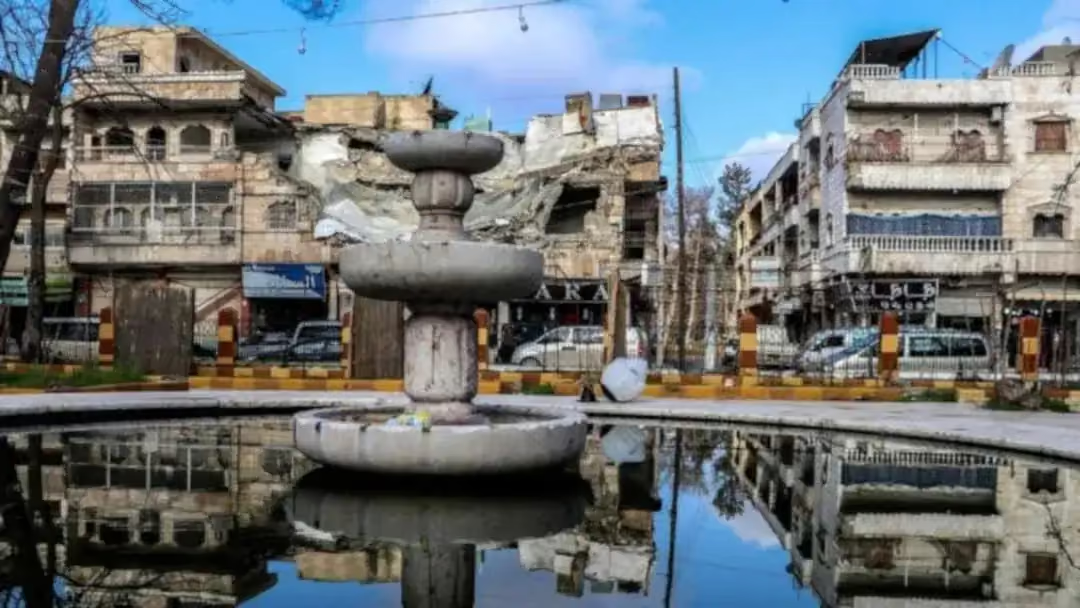
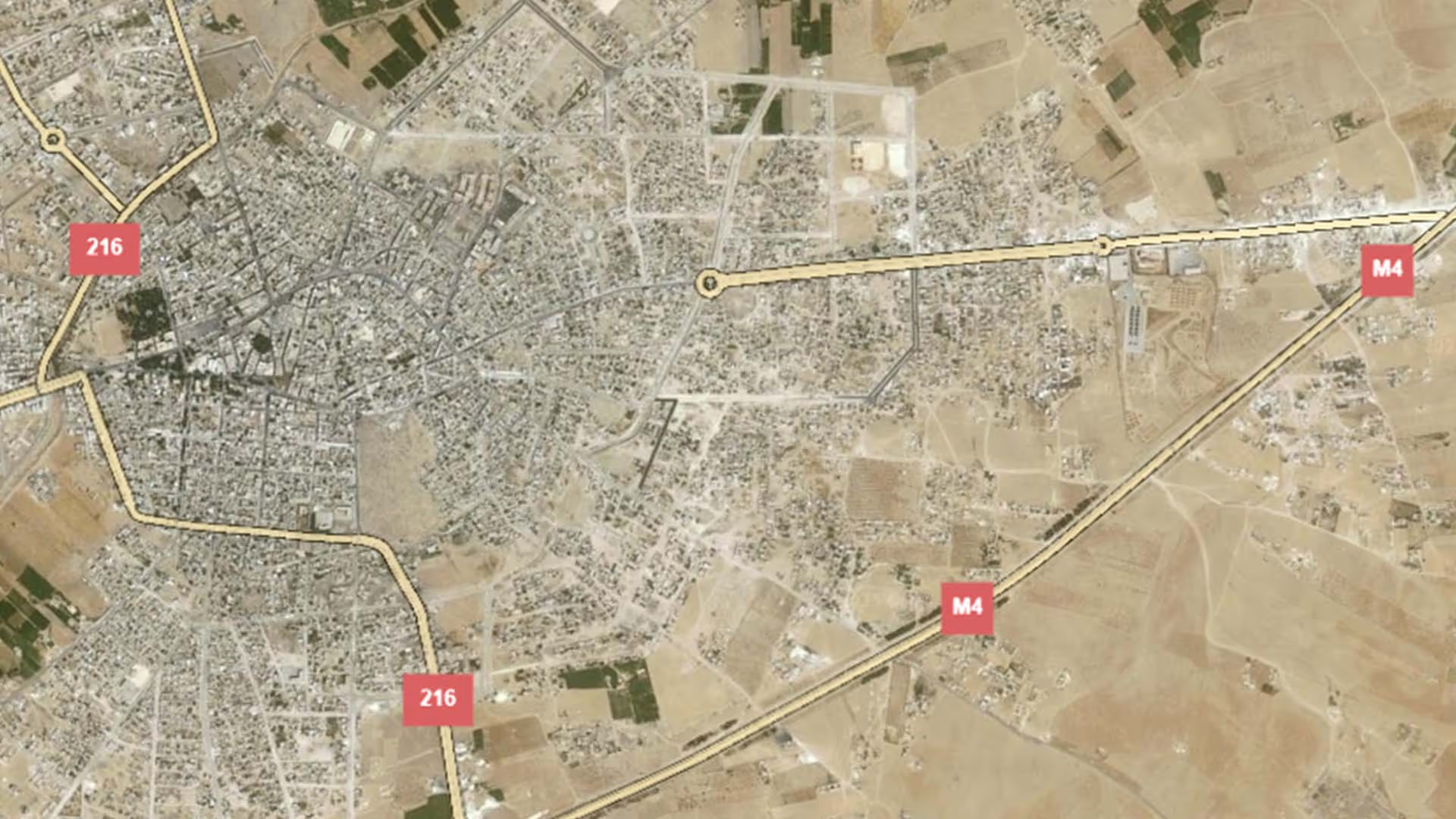
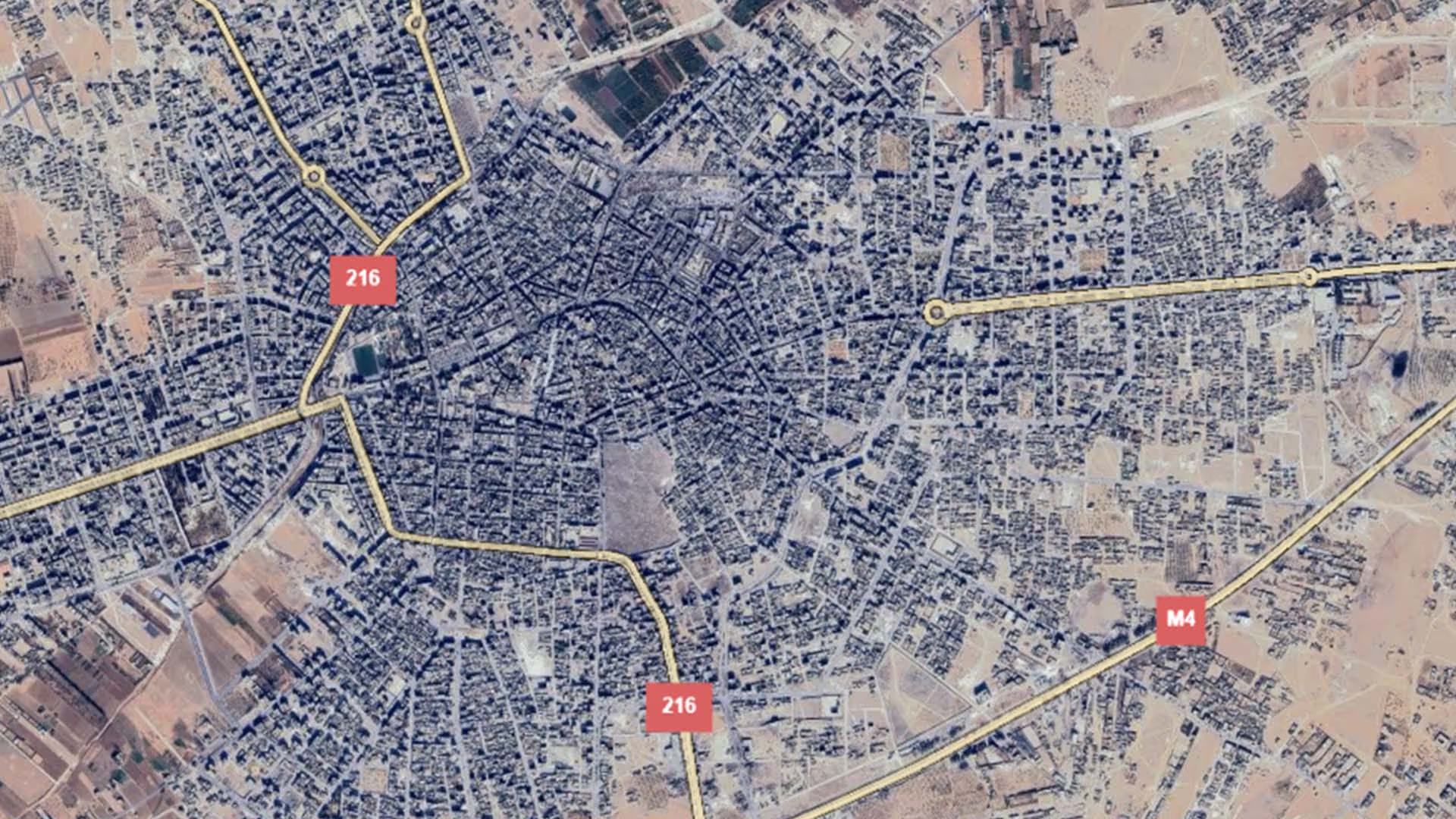
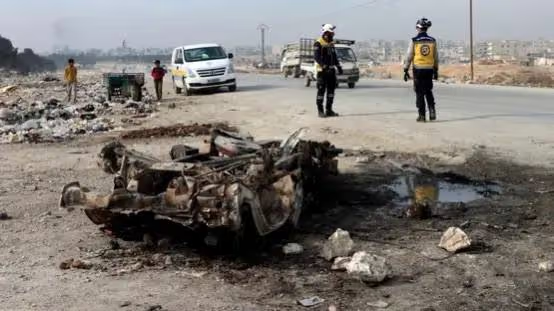
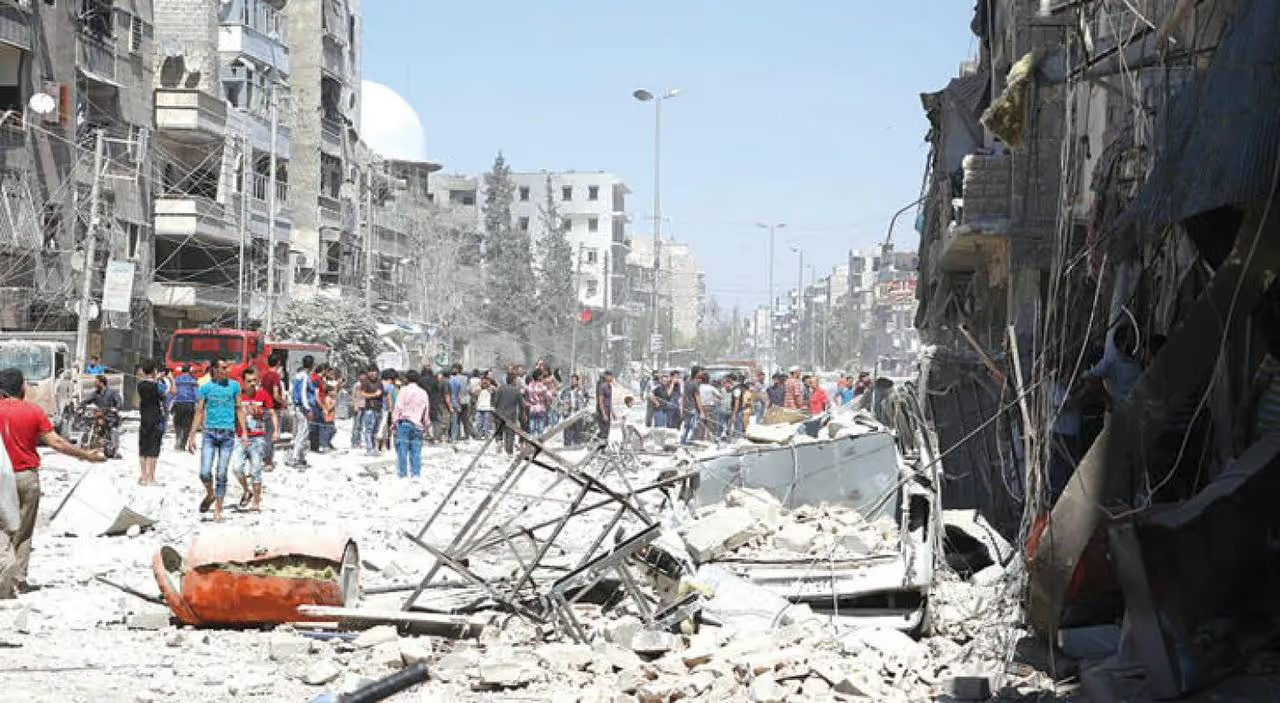
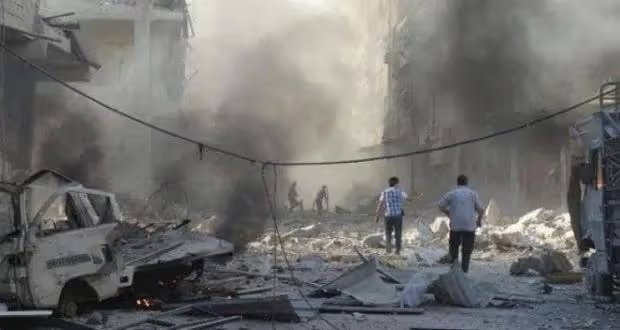
The only institutional, numbered damage assessment of the town remains the satellite-based analysis published by UNITAR-UNOSAT on 19 September 2016. Comparing imagery of 30 August and 7 September 2016 against a September 2010 reference image, UNOSAT identified 1,230 potentially damaged structures: approximately 289 destroyed, 563 severely damaged and 375 moderately damaged, together with three damaged bridges. UNOSAT records the damage as heaviest in the southern portion of the central area of the town and frequent along the western and northern access roads, and states that the analysis is preliminary and has not been validated in the field.
Service infrastructure has been documented more recently. UNICEF reported on 29 December 2024 that the Tishreen Dam in Aleppo had been non-operational since 10 December, depriving 413,000 people in Manbij and Kobani of water and electricity, and noted that damage to the dam and to the Al Khafseh water station had significantly reduced water supplies across the wider area.
Recovery work is documented on two fronts. UNICEF reported on 5 January 2025 that it was supporting the re-operationalisation of the Tishreen Dam, an effort intended to secure continuous electricity and water for nearly 850,000 people in Aleppo, Manbij and Serrin — a target in progress at the time of reporting rather than a completed result — alongside the repair of the 1,400 mm pumping line at the Tishreen station. In heritage, the Hierapolis Project, implemented by Heritage for Peace with funding of £80,000 from the British Council Cultural Protection Fund in partnership with DCMS, began in April 2023 and is recorded as completed; it trained 17 local professionals in 2023 and covered the Al-Antabi tomb, the Syriac church and an Ottoman bathhouse.
.svg)

.png)