
.avif)
Find & Read
No items found.
.svg)
Bio
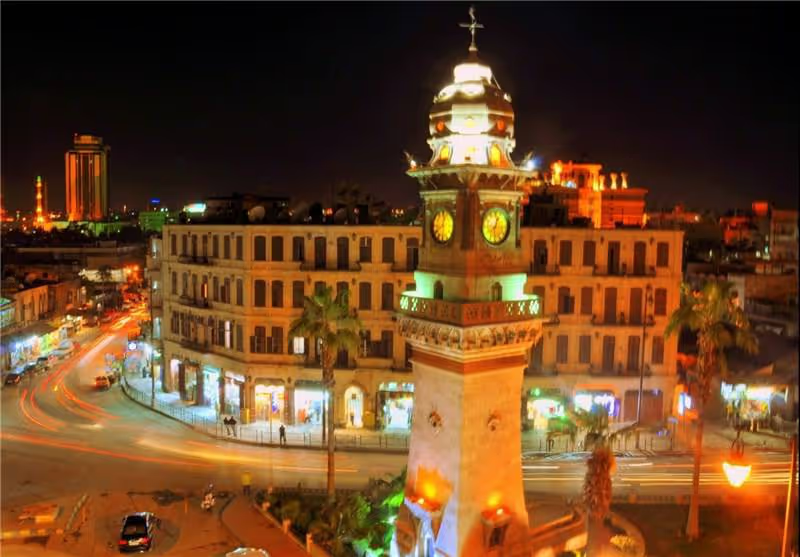
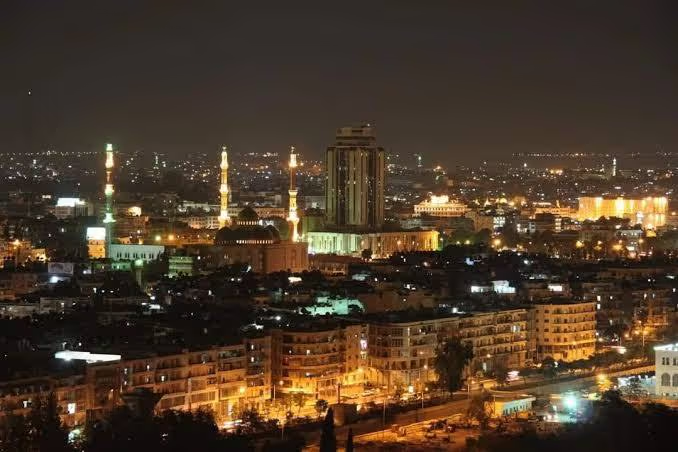
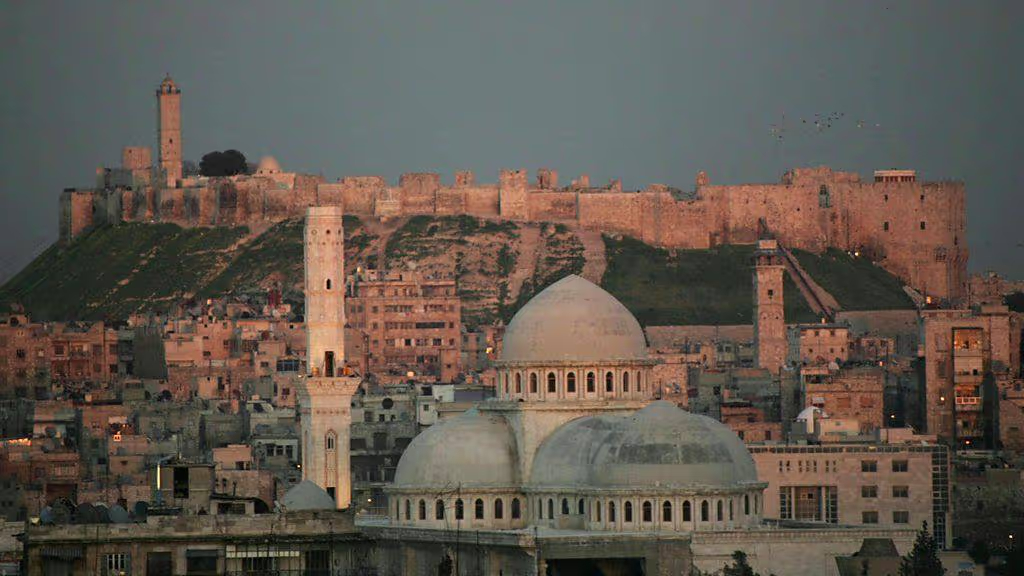
Aleppo is Syria's largest city and the industrial and commercial hub of its north, historically linking the coastal cities with the eastern regions. UN-Habitat put the city's 2011 population at about 3.08 million — close to a quarter of the country's urban population — with an economy led by private manufacturing, trade and cultural tourism.
Its Ancient City has been inscribed on the UNESCO World Heritage List since 1986 across a property of 364 hectares, and holds the Citadel, the Great Mosque, the covered souks, the khans, madrasas and Ottoman baths. Two Aleppine living traditions are also inscribed on UNESCO's Representative List of the Intangible Cultural Heritage of Humanity: Al-Qudoud Al-Halabiya (2021) and the practices and craftsmanship associated with Aleppo laurel soap (2024).
Damages
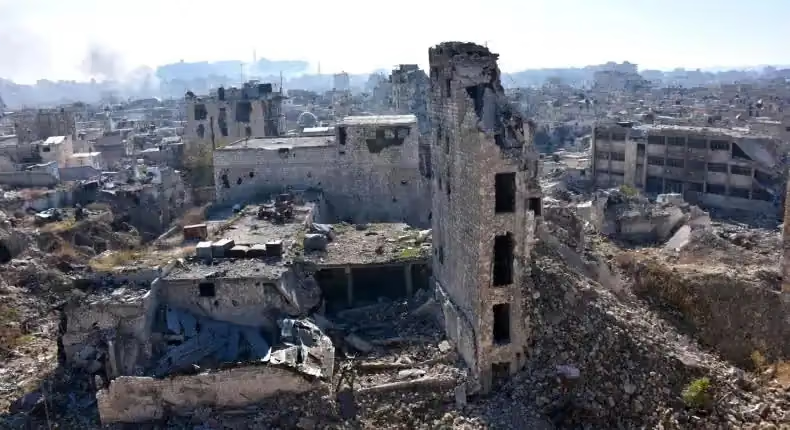
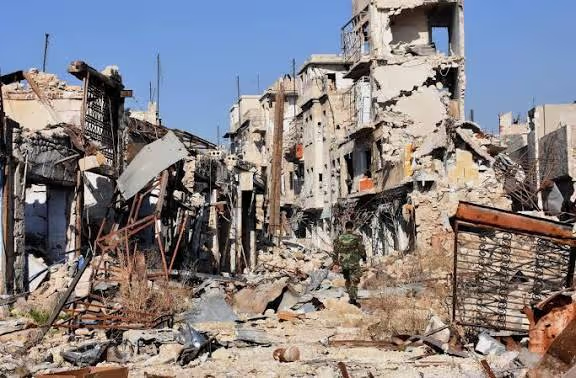
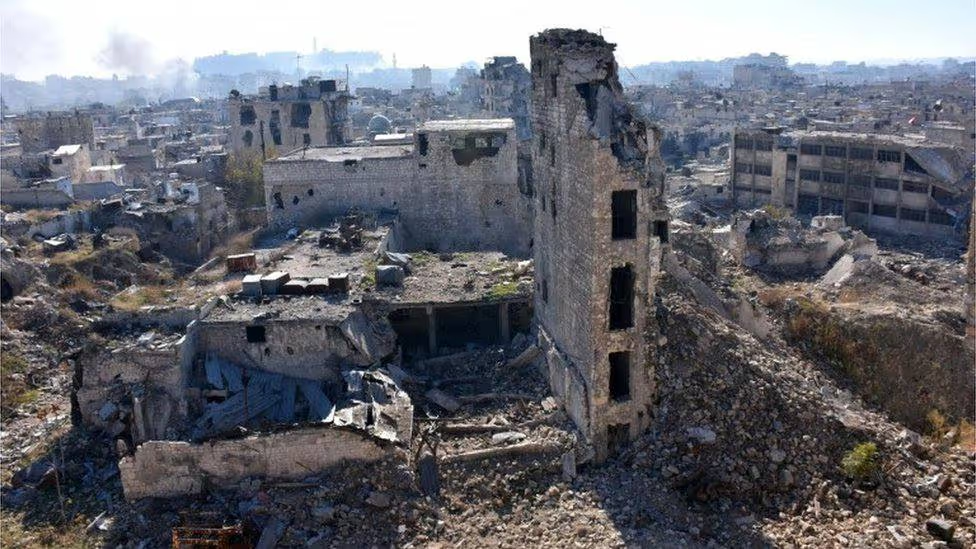
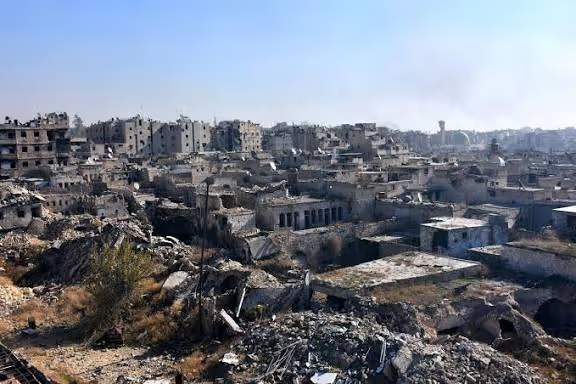
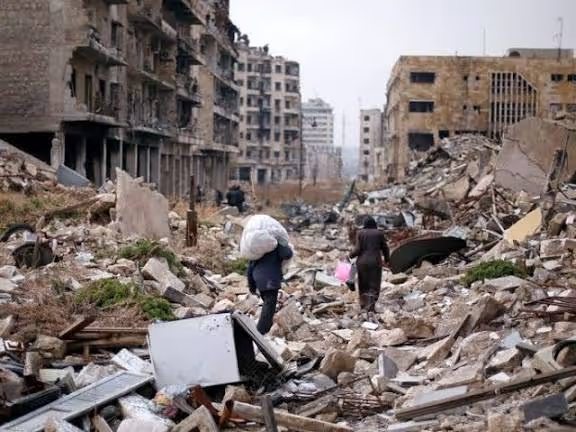
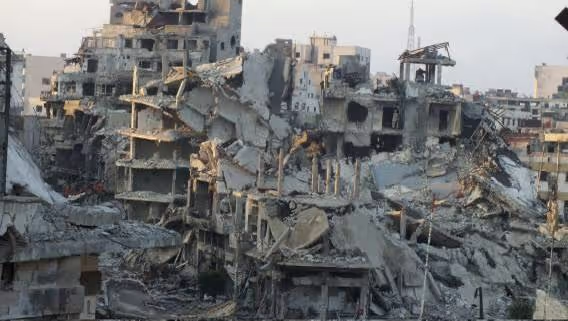
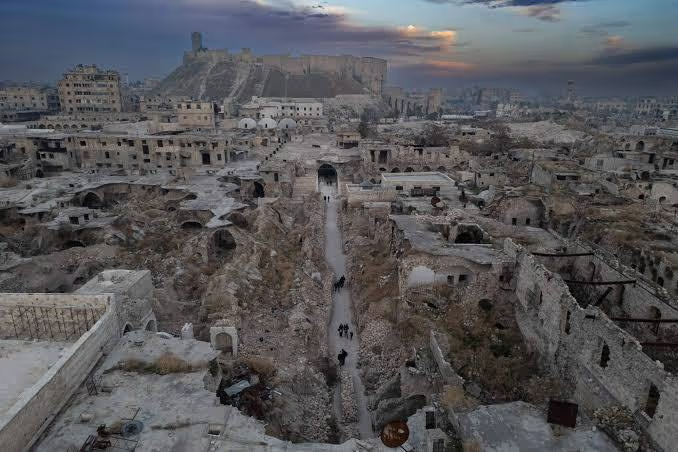
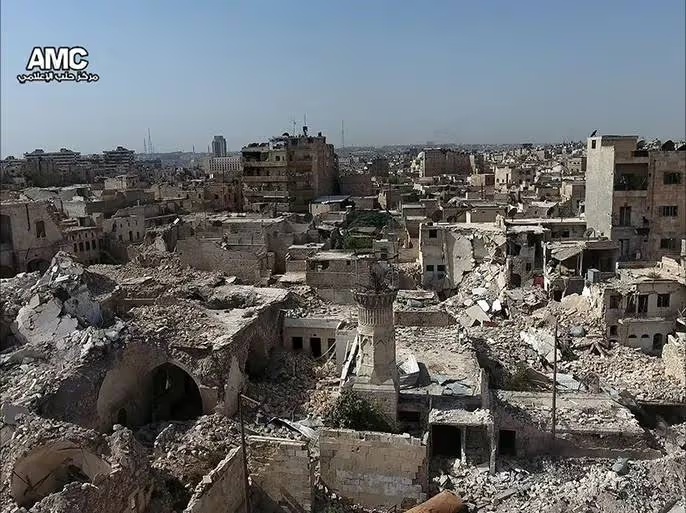
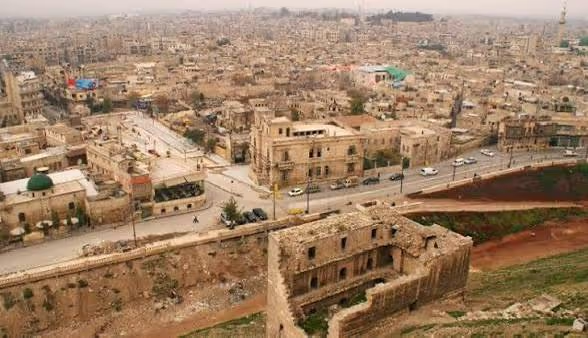
UN-Habitat's Aleppo City Profile — issued in 2014 as a draft for revision — recorded some 302,000 housing units damaged or destroyed, about 52% of the city's 2011 stock of 720,000 units. Across the 125 neighbourhoods it surveyed to the end of 2013, it classified 20 as heavily damaged, 61 as partially damaged, and 44 as showing no or minor damage.
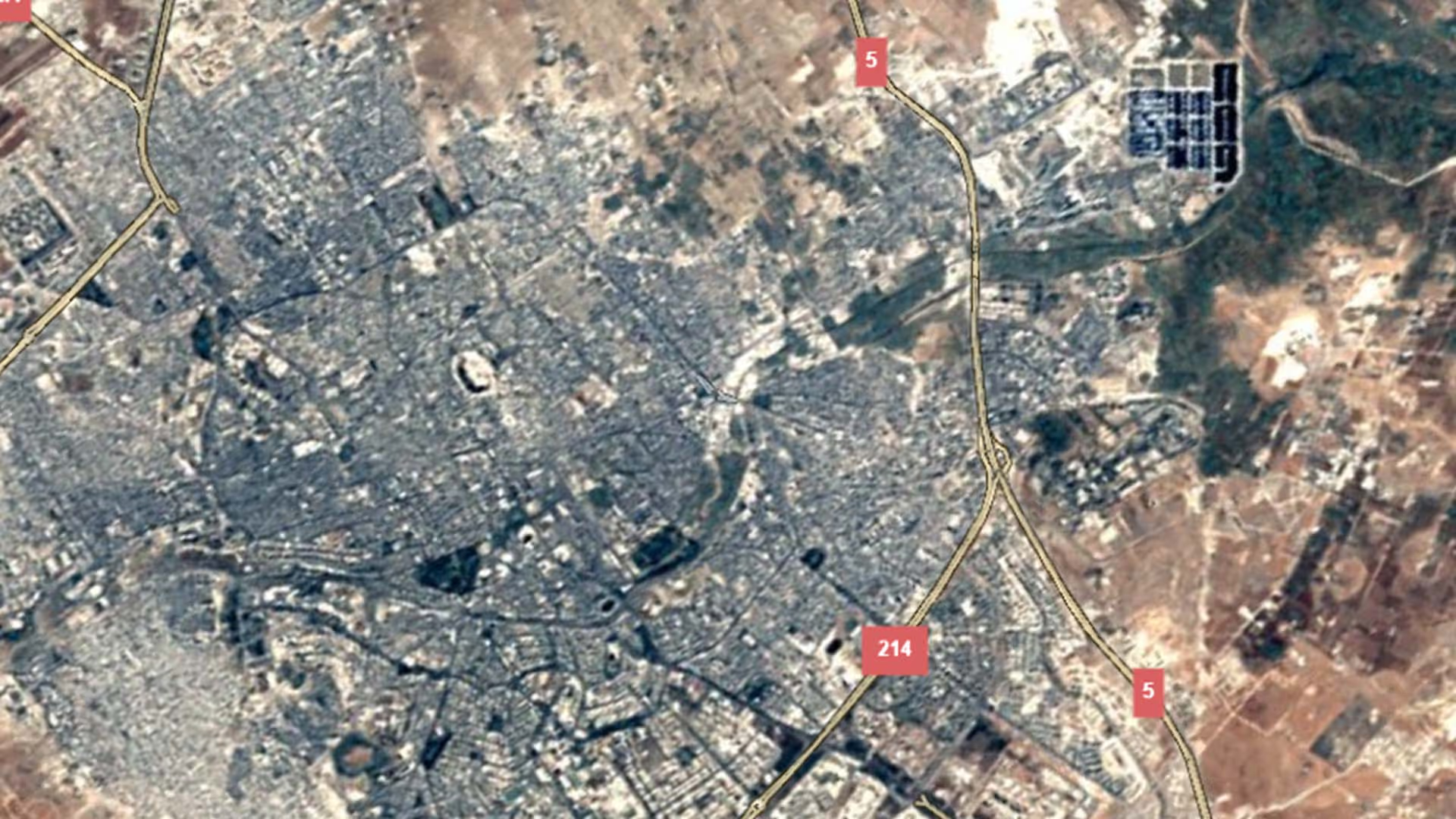
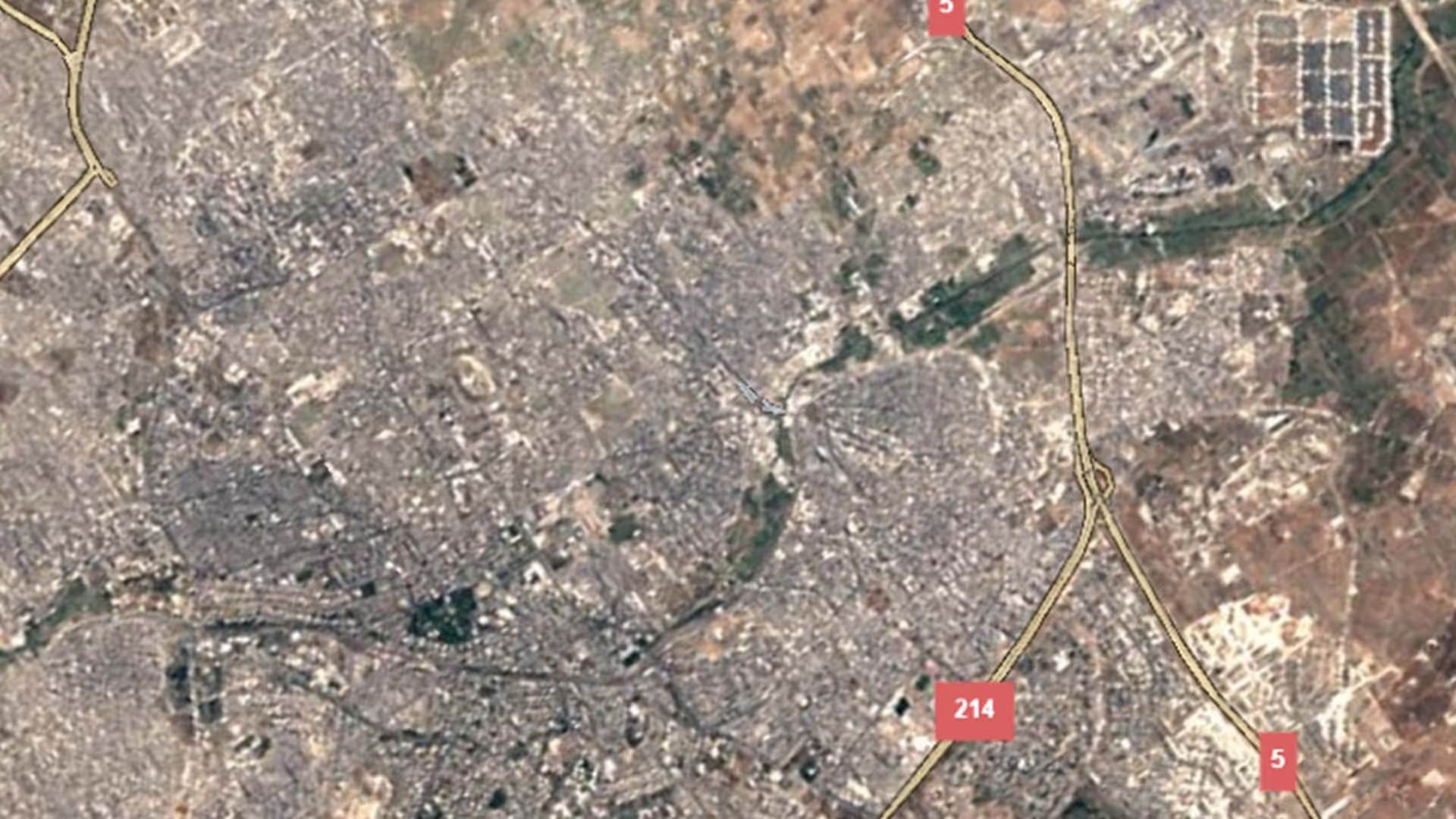
Satellite analysis by UNITAR-UNOSAT with REACH, based on imagery of 18 September 2016, identified 35,722 affected structures citywide: 4,773 destroyed, 14,680 severely damaged and 16,269 moderately damaged. Within the Ancient City, UNITAR-UNOSAT and UNESCO assessed 518 historic buildings one by one.
Recovery work is under way and documented. UNDP's REVIVE programme is clearing 570,000 tonnes of rubble across Aleppo, Deir ez-Zor, Homs and Rural Damascus; to date it reports more than 15,000 m³ recycled into over 123,000 building blocks, 10 km of roads reconnected and more than 1,300 people engaged in cash-for-work. UNICEF reported that repairs to the 1,400 mm pumping line at the Tishreen station restored water supply to more than one million people in Aleppo (January 2025).
.svg)

.png)