.avif)
Find & Read
No items found.
.svg)
Bio
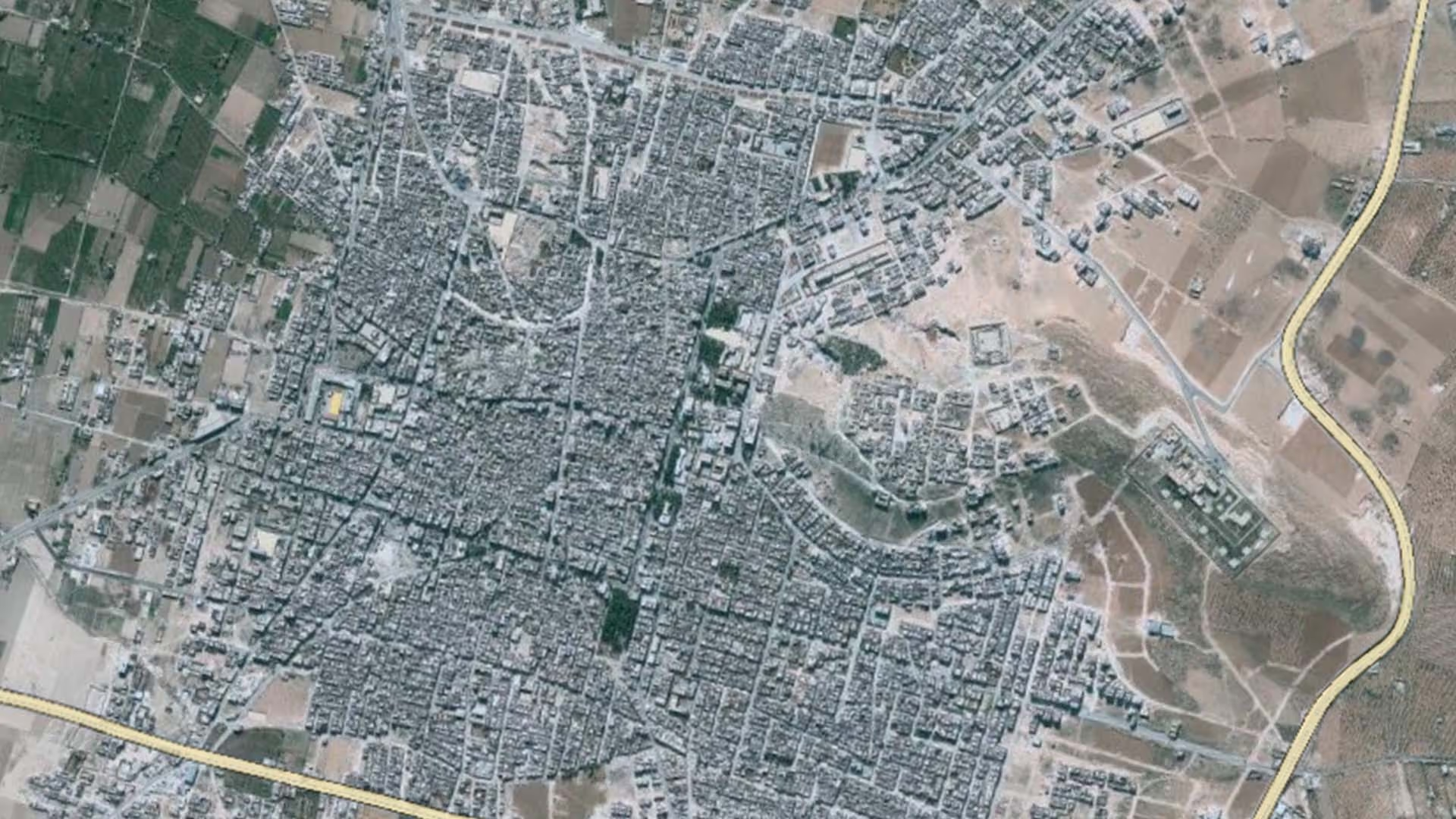
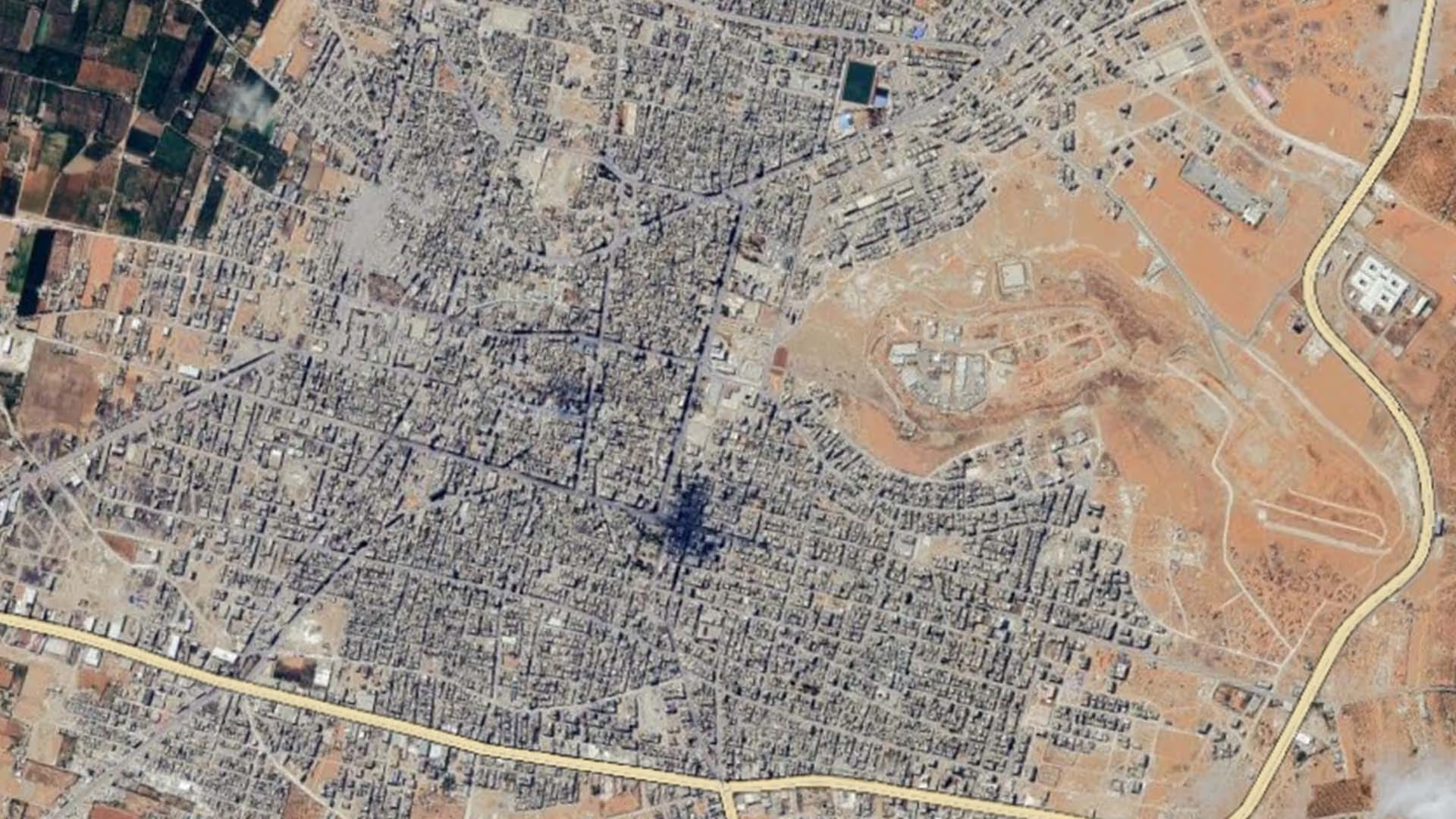
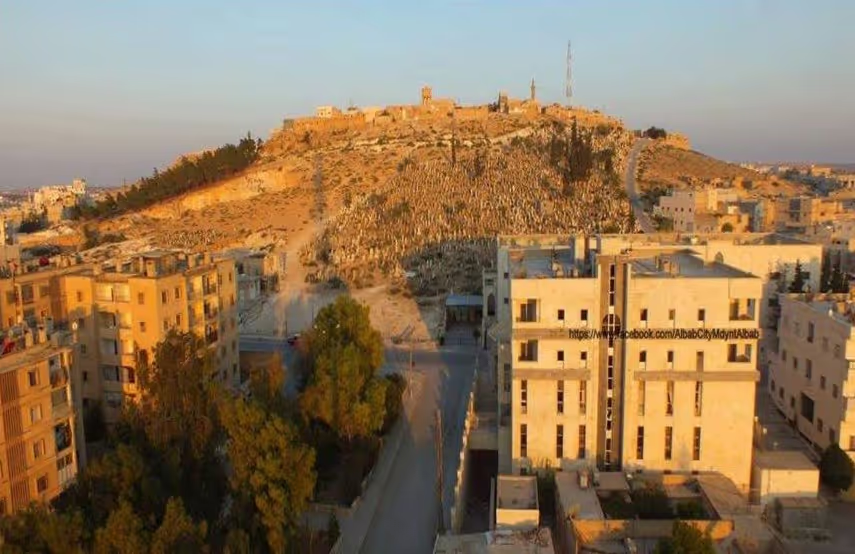
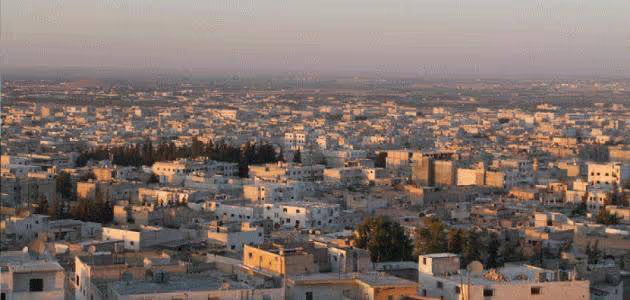
Al-Bab lies in the eastern countryside of Aleppo governorate, some 40 kilometres north-east of Aleppo city, on the axis that links the governorate capital with Manbij and the Euphrates valley. It is the administrative centre of Al-Bab district and the market town of a wide agricultural hinterland, and it forms a single built-up cluster with the neighbouring towns of Qabasin and Bza'a. More than 190,000 people live in Al-Bab sub-district, according to the UN Office for the Coordination of Humanitarian Affairs (OCHA) in its Syria Humanitarian Fund allocations dashboard for 2023 — a figure that counts host communities and displaced families together.
What defines the town economically is its role as the service and trading centre for the villages around it: farming on the surrounding plain, retail and wholesale trade along the Aleppo–Manbij road, and a public water supply that rests on the Ein Al Baida station, which serves the city together with the villages in its orbit, as UNICEF recorded in December 2024.
Damages
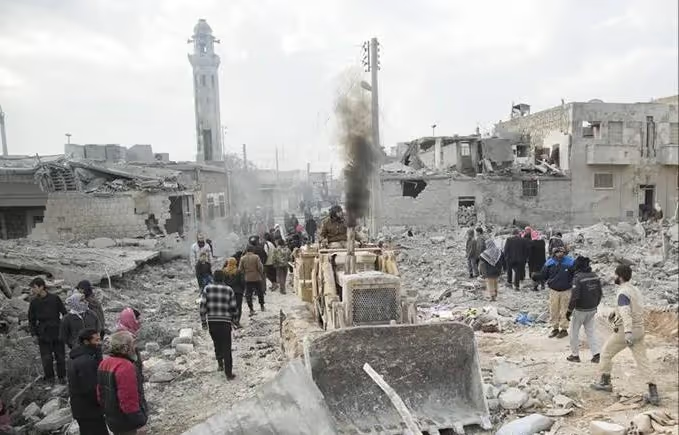
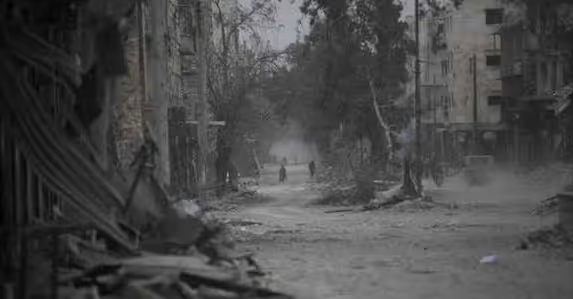
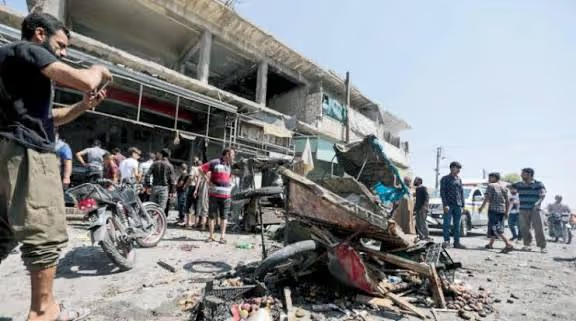
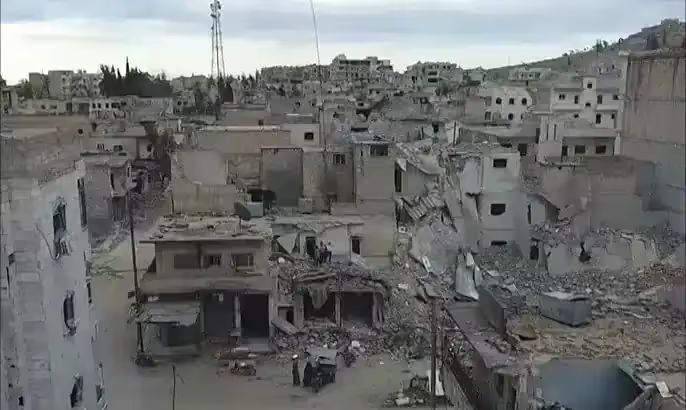
The earthquake of 6 February 2023 left visible damage on the built fabric of the town and its two neighbours. The United Nations Satellite Centre (UNOSAT) analysed a Pléiades very high-resolution satellite image acquired on 11 February 2023 and identified, within the area covered, 37 damaged structures and 168 potentially damaged ones across Al-Bab and the adjoining towns of Qabasin and Bza'a. The map was published on 16 February 2023, and UNOSAT describes the reading as a preliminary analysis that had not yet been validated in the field.
Water service is the sector whose strain is best documented. OCHA recorded in its Syria Humanitarian Fund dashboard for 2023 that more than 190,000 people in Al-Bab sub-district, host communities and displaced families alike, rely on buying water drawn from wells in surrounding villages, from private or public cisterns, and from trucking, with access extremely limited and most sources unsafe to drink. On that basis the fund made a reserve allocation of US$2.5 million available for the rehabilitation of the water network and the pumping stations in Al-Bab; the allocation was launched in January 2024, with UNICEF pre-selected to submit the proposal.
Documented recovery has run along the same track. UNICEF reported in its Syria humanitarian situation report of 29 December 2024 that it had completed testing of the Ein Al Baida station, which is to provide safe drinking water to more than 260,000 people in Al-Bab city and the surrounding villages.
.svg)

.png)